Last month I shared my trip to San Angelo State Park with you. It had been the sole reason for our trip out there…well, I did tell my husband about the historic fort we could visit as a way to get him even more interested in the road trip. I ended up finding the town itself pretty neat and thought I would share more of our trip.
“a West Texas oasis” is the description of San Angelo in the Texas State Travel Guide, a wonderful free publication put out by Texas Highways Magazine (www.texashighways.com).
Where history meets geography meets art is how I would describe the town.
Here is a multiple choice quiz:
Which of these three things can be found in San Angelo?
Statues of painted sheep
International water lily collection
Air Force Base
I you guessed “all 3”, you are correct!
According to Wikipedia a Spanish mission was founded here in 1632 to convert the native peoples (Wikipedia say “to serve the native people”). As the years went by the area was under the rule of Spain, Mexico, the Republic of Texas, and the U. S. The city itself began in 1867.
Today there are at least 99,853 people in the town and at least 121,516 if you include the area surrounding the town (2020 U.S. Census). Goodfellow Air Force Base is here, as is the historic Fort Concho (1867). There is a growing art and music community, Angelo State University, and several reservoirs based on the damming of the Concho river. The surrounding area includes farming, agriculture, an oil and gas industry, and the wonderful state park we visited. Here are some of the things we saw:
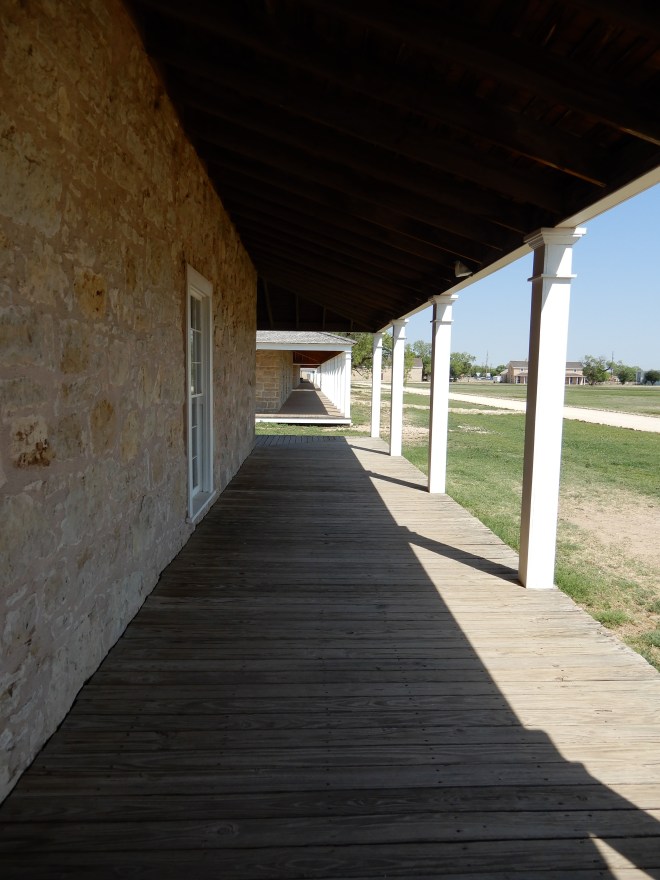
Historic Fort Concho
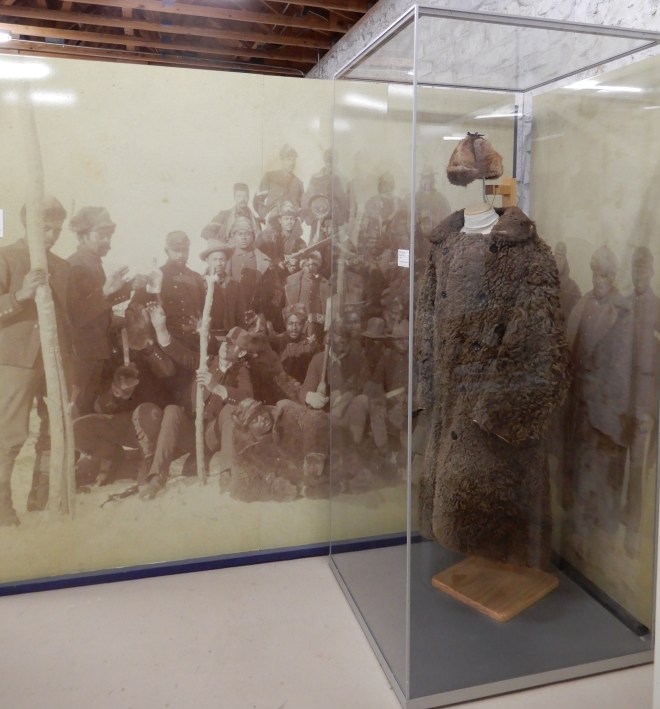
Buffalo Soldier Exhibit In Fort Concho Museum
Old Barracks In Fort Concho Museum
Ground Squirrel Near The Fort
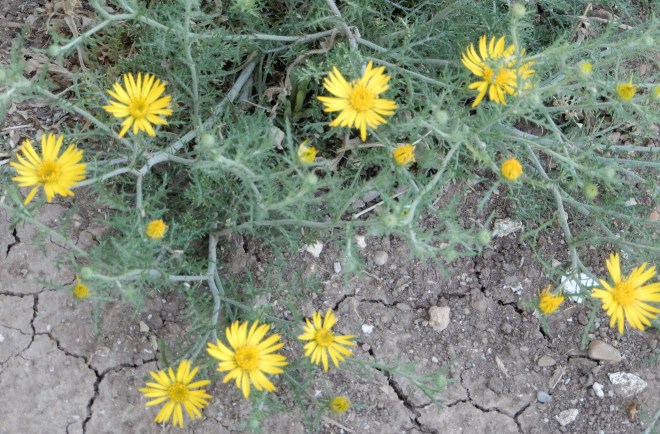
Flowers On Fort Grounds
Pond At International Water Lily Collection
More Water Lilies
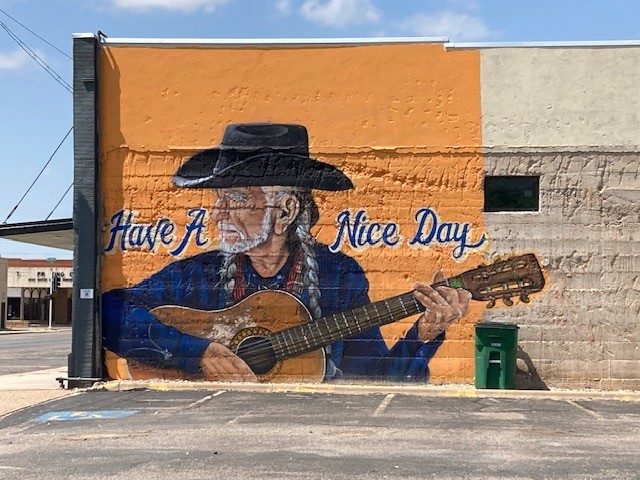
Mural Of Willie Nelson
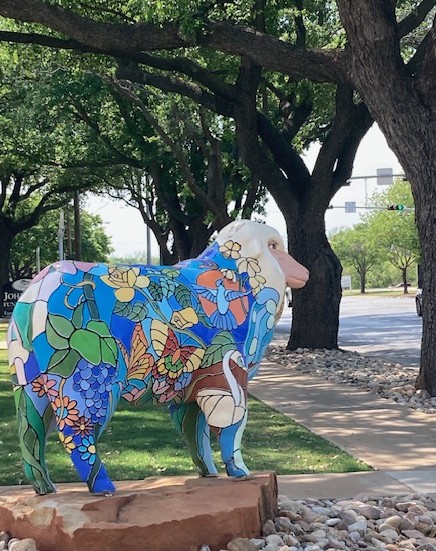
One of Many Decorated Sheep Statues In Town.
This one is on the grounds of a mortuary. We shopped at a grocery (HEB) that had one in its parking lot.
The train museum was closed the day we were there. And we also didn’t visit the downtown Concho River Walk. Maybe some day I will go back and explore more.
Lastly, I want mention that San Angelo was one of many smaller cities that had it’s own nice turnout of folks on the recent No Kings Saturday protest.
I wrestle with what to write about. So many ideas. Do I post more pictures of critters from my yard? Do I write about more important to the world sorts of things, like the dismantling of our government? Ideas come and go and I jot down notes on a variety of topics. I write 3 legal pages of notes about my family’s relationship to music, from me to ancestors I’ve never met. I have been hearing more bird song lately and think maybe I should write about that. Or, I should finally write up my words about Harriet Tubman that I have been meaning to write up for about a year. It is Black History month. My mind keeps churning out subjects.
Serendipity strikes. Many things have entered my life in the past few months that seem connected.
Have you ever heard of the Rosenwald Colored schools? Neither had I until the past year. I had first run across them in a legal document among some old family papers.
The document reads in part:
“Be it known and remembered, that on this the 10th day of March A. D. 1926, I, Mrs. Ellen J. Buie, widow of H. H. Buie, deceased, have granted, bragined and donated, and by these presents, grant, bargain, donate, set over and deliver unto the Franklin Parish School Board, of Franklin Parish, La. herein represented by H. W. Gilbert, President, accepting this donation in all its parts and clauses, the following described property, towit:” A description of the property’s boundaries follows, and then this:
“To Have And To Hold the said property unto the said Franklin Parish School Board for the use and benefit only of the Rosenwald Colored School.”
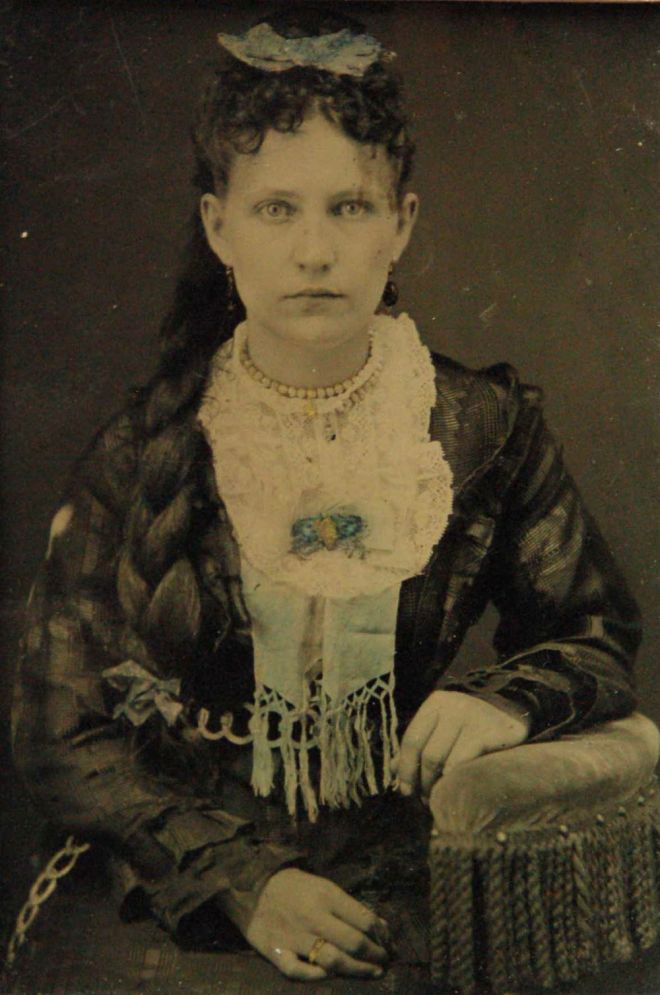
My great grandmother was born in 1856 into a family that owned slaves. In the 1860 U. S. Slave Census her father owned 32 slaves aged 50 years old down to 6 months old. 66 years later she gave something back to the descendants of the people her family had enslaved. 2 acres for a school. When she was 14 she had been sent away to a convent school in St. James Parish. Maybe it was this experience that made her value education? And her daughter, my grandmother Mary, became a school teacher.
Here is a photo of my great grandmother Ellen Julia Copeland Buie (1856-1935):
But, the name Rosenwald meant nothing to me at the time I first looked at the document. Some months later, I happened to read a genealogy blog post about the Rosenwald schools. (there is a link to the blog at the end of this post). Then I happened to be showing the family document to my brother and I realized the importance of the name Rosenwald Colored School.
And then…I saw an advertisement for a special exhibit at the Bob Bullock Texas State History Museum that was about the Rosenwald schools in Texas. And they would be showing a film about Rosenwald on February 8th, with a panel discussion afterwards. I felt compelled to go. The film, by Aiva Kempner, was about 90 minutes long and told the story of Julius Rosenwald who was a rich philanthropist. Descended from Jewish immigrants who instilled quite the work ethic in him, he eventually bought Sears and Roebuck. He believed in giving back to the community. One of his projects was building schools for colored children in the southern states. He partnered with Booker T. Washington to do this. He built these schools during the Jim Crow era. “Separate but equal” was not equal at all. His generosity led to the building of thousands of schools to educate black children. He had three parts to these projects. One, he put up some money. Two, the community also raised funds, and Three, the community did the labor to build the schools.
This exhibit at the Bob Bullock museum only runs through February 23rd, so I urge all my Austin friends to go before it ends. There is also a former Rosenwald school near Bastrop that has been renovated. The panel discussion after the film talked about this. It is called the Hopewell school and we plan to visit it soon. (American Youthwork’s Youth Build Program put in some labor on this renovation).
Here is where the serendipity keeps on giving…
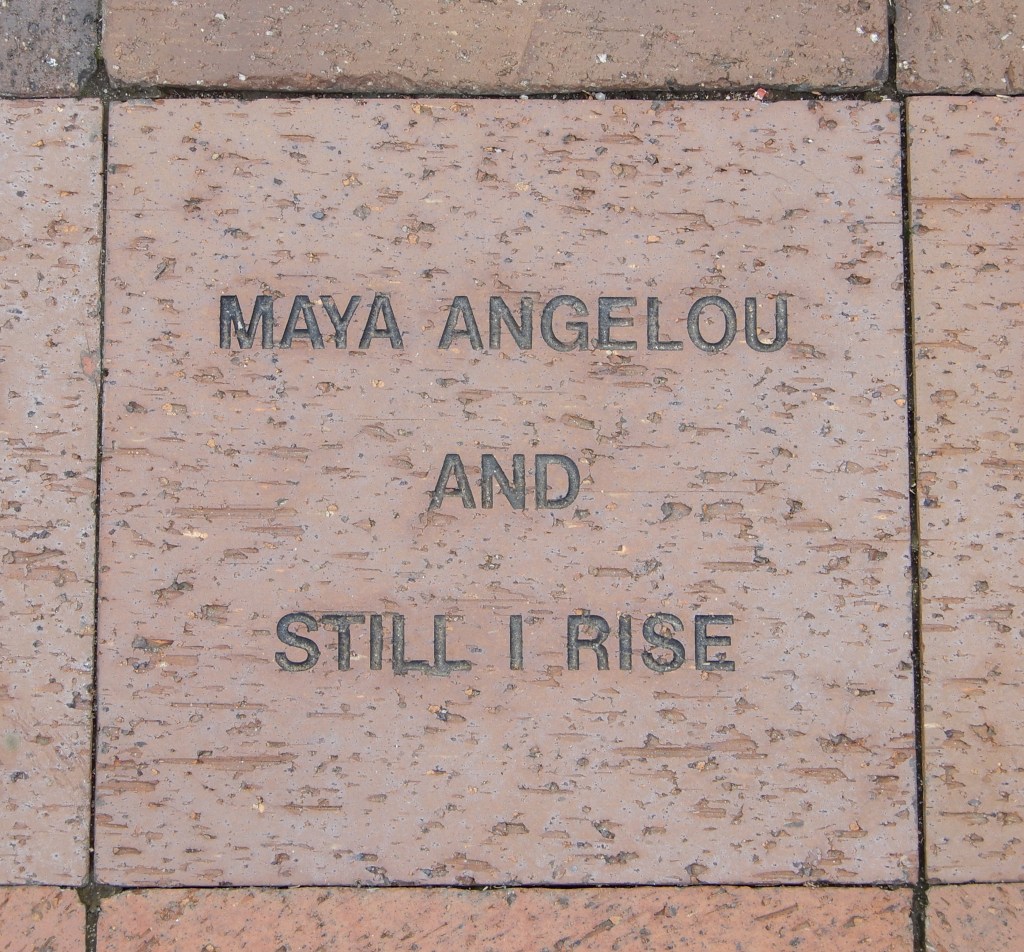
The film has interviews and photos of many African American celebrities from politicians to those in the arts…actors, singers, poets, composers, business people…people who either went to Rosenwald schools or benefited from Rosenwald’s other philanthropic projects: Rita Dove (poet), Maya Angelou (author, poet), Gordon Parks (photographer, filmmaker), John Lewis (politician, activist), Marian Anderson (singer)……
On the way home from the museum we stopped to pick up our mail. There was only one piece. The envelope’s stamp was a picture of John Lewis!
At Christmas I was gifted a book that I had never heard of and now am currently about 3/4 of the way through this novel. It is based on the friendship between Eleanor Roosevelt and Mary McLeod Bethune. It follows their friendship and how they worked together to advance the rights of black people in this country. Two women with different skin colors working together. The authors of the book are two women, one white and one black. One episode in the book is about securing a public appearance for the singer Marian Anderson when the DAR refuses to let her sing in Constitution Hall in Washington, D. C. She ends up singing for a huge crowd at the steps of the Lincoln Memorial. The book is entitled The First Ladies and the authors are Marie Benedict and Victoria Christopher Murray.
Flipping through t.v. channels earlier this month I came across a film on PBS about the poet Paul Laurence Dunbar. I had heard the name but was not familiar with his work. I learned that Maya Angelou’s title “I Know Why The Caged Bird Sings” is based on a line from one of Mr. Dunbar’s poems (“Sympathy”).
See what I mean? ….birds,singers, arts, education, history of our country and the struggles of blacks in this country…
There is a threat to dismantle and destroy the U. S. Department of Education right now…and any kind of diversity initiatives. What can we do? We can all take positive actions to lift up our values, be it contacting our representatives, to showing up in solidarity, to giving money to those organizations that lift up our sisters and brothers, neighbors and friends. No matter your political sympathies, the current destruction of our government will affect us all.
Take action with Love in your heart and as John Lewis is quoted:
“Get in good trouble, necessary trouble, and help redeem the Soul of America.”
*”Lift Every Voice and Sing” is the title of what is called The Black National Anthem and was written by James Weldon Johnson.
*I don’t know whether or not a Rosenwald School ever got built in Franklin Parish, Louisiana on the land my great grandmother donated.
Links:
donorschoose.org Donate directly to individual teacher’s projects
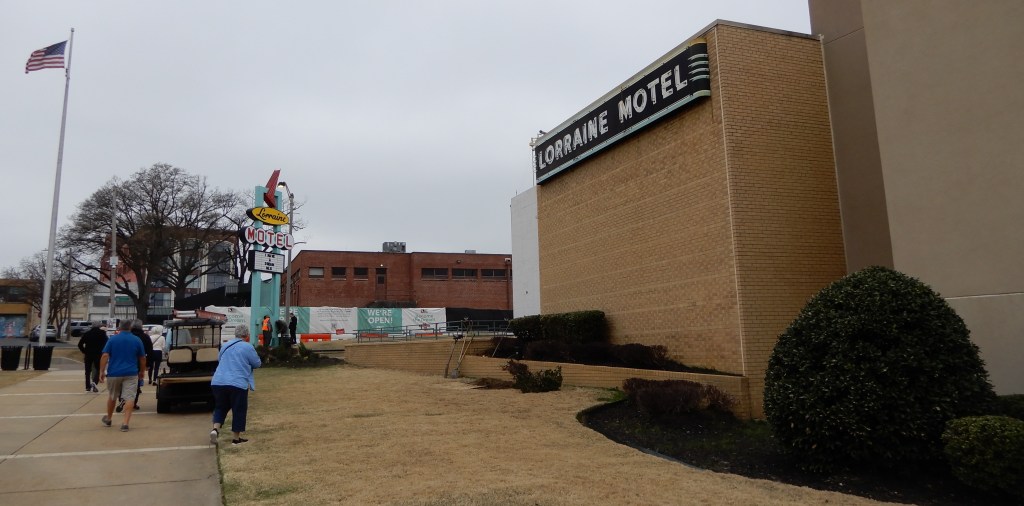
Our tour bus parked on a side street. We got off the bus and headed up the hill, The Lorraine Motel sign as our beacon.
Side of Lorraine MotelMotel Sign With Words “I Have A Dream”
I got to the top of the slope and looked to my right. The sudden view of the hotel balcony was like a gentle gut punch. In my mind’s eye I could see the iconic image of Reverend Martin Luther King lying dead on the balcony, one man kneeling at his side and others pointing across the street.
Balcony of the Lorraine Motel-White Wreath in Front of Area MLK Was Murdered
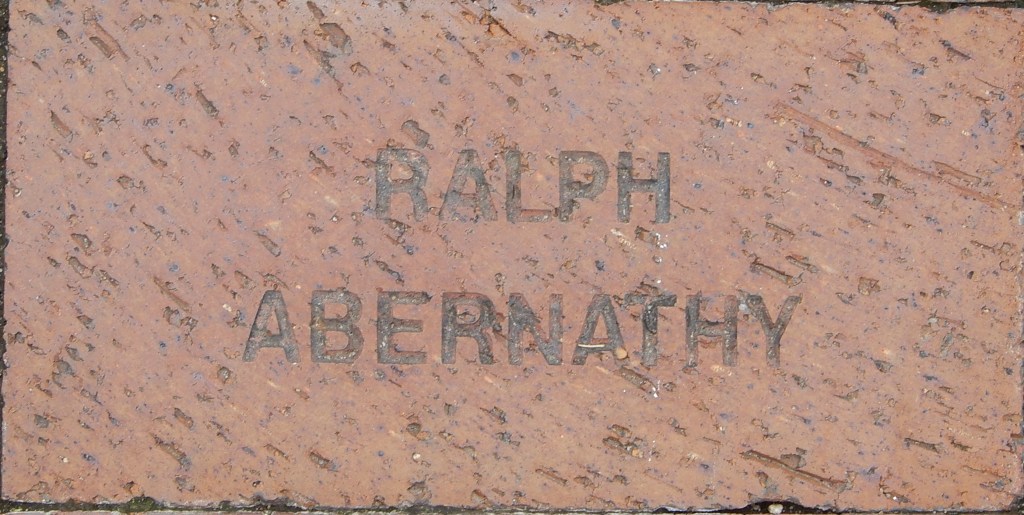
I began to sob. I don’t like people seeing me cry and moved away a bit from our group and guide, my husband comforting me. I put my camera between me and the scene before me. I recorded the building and the bricks below my feet.
The Reverend Martin Luther King, Jr. was murdered April 4th, 1968.
Robert F. Kennedy, Jr. was murdered two months later on June 6th, 1968.
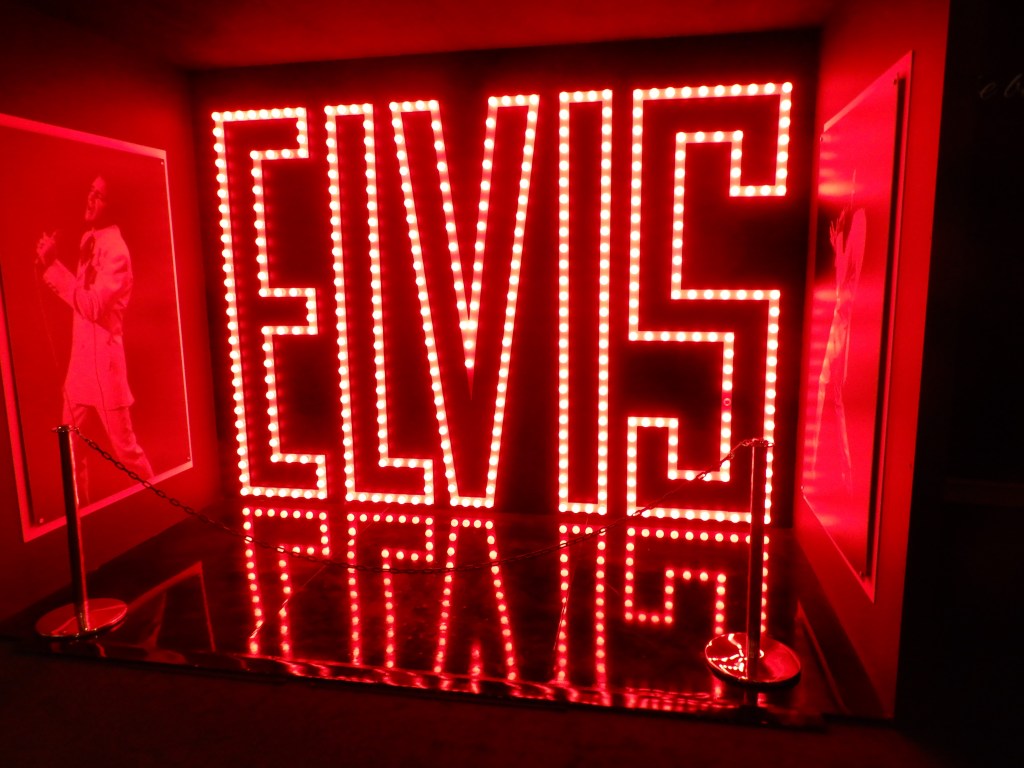
Elvis Presley was preparing to film his Comeback Special for NBC in June of 1968. Since it would air in December of that year there was some suggestion of the special being a Christmas special and that the final song would be a Christmas song. Elvis was upset enough about the murders of MLK and RFK that he asked one of his writers, Walter Earl Brown to write a song. He patterned it on MLK’s I Have A Dream speech and it was titled If I Can Dream. It was the last song in the Comeback Special. Over 40 million people watched the special.
Background for Comeback Special (aired December 1968)
Link to You Tube video of Elvis singing “If I Can Dream”:
“There’s some part of me wants to see Graceland”-line from Paul Simon’s Graceland.
Graceland has not been on my bucket list, nor has Memphis, Tennessee. Not that I had anything against the city or the home. I always enjoyed Elvis as a singer and entertainer, but did not really appreciate him until I was an adult. I remember as a kid looking for something to watch on t.v. and when one of the few channels we got was showing an Elvis movie, we were not too happy. We did watch them, but I remember most of them being not very good, if mildly entertaining.
But, when my husband and I found ourselves in Memphis for a few days in early March, we saw the sights. And there must have been a little part of me that had always wanted to go to Graceland, because I enjoyed the whole Elvis experience.
First we toured the large museum devoted to all things Elvis. One room had his cars. One room had info on his Army years. Other rooms covered his first records, his movie career, his outfits, and the other singers that influenced him and those that he influenced.
Elvis CarElvis Outfits
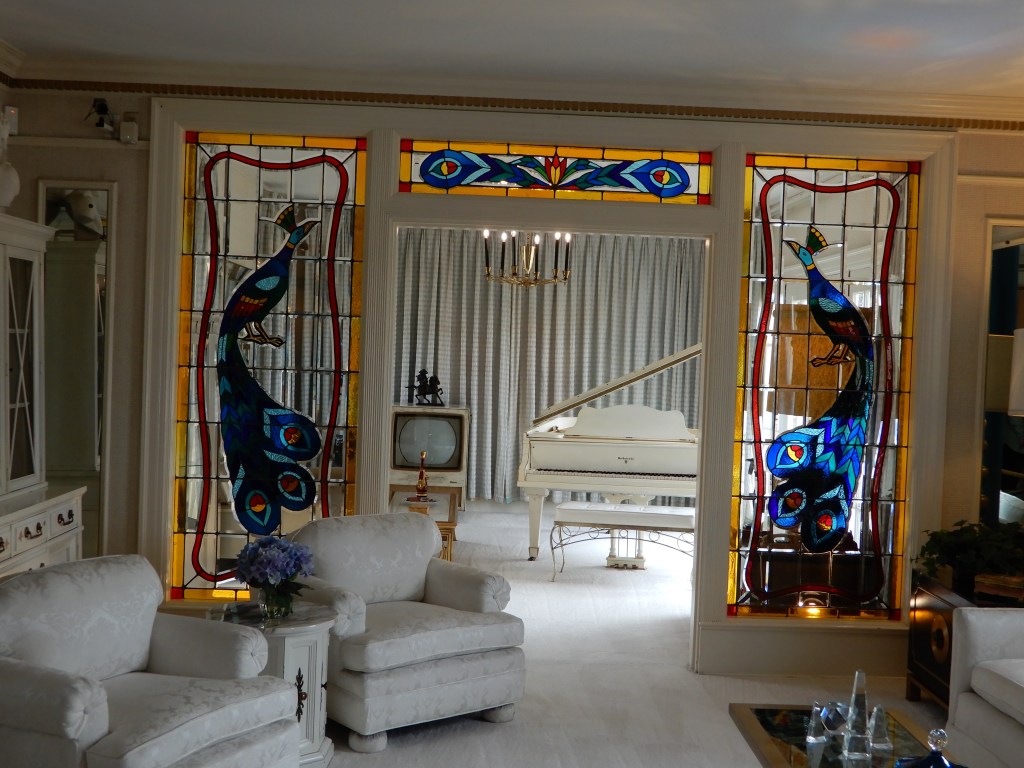
Then we visited Graceland across the street from the museum. The furnishings in each room were amazing. He seemed to have a t.v. in every room.
Livingroom at Graceland
And we walked the grounds. There are 3 horses there (said to be rescue horses). It had been raining earlier and we didn’t see the horses at first. But, then they must have been released from the barn and we got to see them (all with braided manes).
Horse on Grounds at GracelandVisitors Have Left Their Mark On Wall In Front Of Graceland
Almost a month later I still hear snippets of Elvis songs in my head.
The next day we took a bus tour of Memphis with several stops: Sun Recording studio where Elvis and others recorded their early records; The Memphis Welcome Center that has statues of both B. B. King (the King of the Blues) and Elvis (the King of Rock and Roll) and exhibits on other entertainers with a Memphis connection; the Peabody Hotel where live ducks parade in and swim in the lobby pond twice a day; and the Lorraine Motel where the Reverend Martin Luther King was murdered. It is 7. 6 miles from Graceland.
Statue of B. B. KingExhibit In Memphis Welcome Center
I love trees and love to write about trees, but I have not written about one tree that I have spent years learning about…my Family Tree. My ancestors lives were filled with triumph and tragedy, joy and sorrow. They were products of genetics and of the times they were born into. I take no pride in their accomplishments nor do I apologize for their faults.
Trees (oil on cardboard by Barbara Block Downes, my mother)
My paternal grandmother, Mary, loved me and I loved her. She was born into a large family and had lots of funny stories about her siblings and other relations. Sometimes a story would be told about her grandfather and others that related to Civil War days. My brother and I would ask her if her family had owned slaves back then. My memory is that she would change the subject, that she didn’t want to discuss this. But, I just took it for granted that these landowning farmers in rural Louisiana were slave owners.
Relatives on both sides of my family have researched our genealogical lines and I have lots of information. My tree is full of names and dates, with a few short sketchy details of their lives. But, I wanted to learn more about who all these names were as people. This became especially important to me after my parents died. The more I researched my family history, the more I felt connected to all those that came before.
My grandmother Mary and some of her other female relatives documented the ancestors back to Revolutionary War times. She was a proud DAR member and gave my brother and I copies of her DAR documents and brief histories of her family. There were gaps in the information about some of the people and I set about filling in the gaps. Besides a few trips to places my ancestors lived, I have mostly done online research. I have learned much from old newspapers and other documents. The census records are interesting and easily accessible online. They have given me a clearer picture of the people I came from.
In the 1860 U. S. Census for Franklin County, Louisiana (taken in August 1860), her grandfather (my great great grandfather), William Buie, is shown to be 39 years old and living with his wife and 3 children and 3 unrelated people. One of his children was 7 year old Henry H. Buie, my great grandfather. William’s occupation is farmer. His real estate was listed as worth $15,400 and his personal property being worth $1,715.
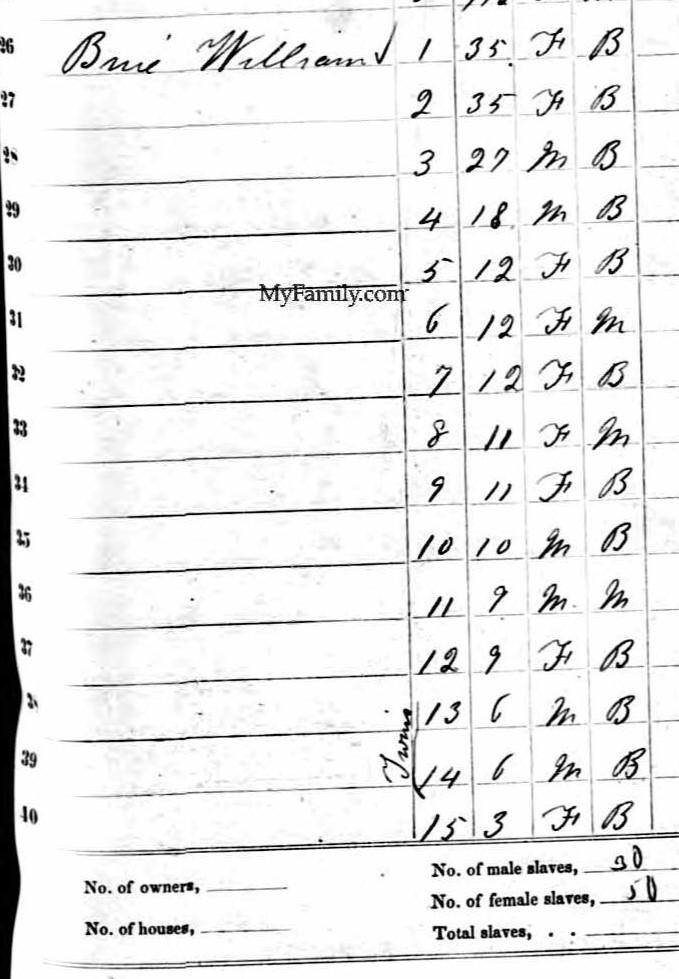
This led to me checking the U. S. Slave Schedules of 1850 and 1860. My people were well represented in these records and were not hard to find. This validated my suspicions that many on my grandmother Mary’s side were slave owners. But, I also was unprepared for my emotional reaction as I read through the records for the first time. It is one thing to have an abstract idea that “Yes, my ancestors probably owned slaves.” I did the search in the records for William Buie and a record popped up on my computer screen…Yay! I found him! Then I read on…a long list of humans with no names, only sex and age listed. I cried. There were 17 souls listed as enslaved ranging in age from 35 years down to a 1 year old (including twin 6 year old boys).
Partial list of the 17 enslaved people listed as owned by my great great grandfather
Now, imagine you are a descendant of these nameless people and you want to know who they were. This is an almost impossible task. However, some documents (wills, bills of sale, runaway slave ads) contain the names of the enslaved. There is a collaborative project called Beyond Kin, where family historians can upload and share documents. So, if I find a document about my White ancestors that has the names of the enslaved, I can share this with Black and Mixed race people doing their own genealogical research.
Soapbox: The more I hear people putting down “Woke” culture, the angrier I get. The opposite of woke is asleep. Being asleep can be a great escape from the nastiness that humans inflict on one another…but, living in a dream world does not make the world better and it doesn’t make us better as people.
I am a bit more awake after seeing these records of my family and I see with different eyes. I don’t feel guilty coming from these people. I do not apologize for them. I have gotten more interested in History.
Some people are upset about our children learning some parts of our history. I say we should let kids look at these records (and other documents) and then challenge them to think about what they are reading. The way history was taught to me in school was boring. Names of presidents and dates of battles and yada, yada, yada…If I had been taught in a different way…learning about the people as real people I could relate to, I would have learned so much more. White kids looking at Slave Schedules does not have to lead to them feeling guilt because they are White. But, perhaps it could lead them to a better understanding of why their Black peers can not “Just get over it.”
“The past is never dead. It’s not even past.”- William Faulkner
“No matter how difficult and painful it may be, nothing sounds as good to the soul as the truth.”- Martha Beck
*According to one historical source William was against secession because he did not think the South would win. He did not serve as a soldier. (From “Boeuf Prairie Methodist Church- A History -The Church- The People- The Community-1833-2008”)
I wanted to write this month’s blog about Black History month and planned on focusing on Harriet Tubman. I had read a wonderful biography about her entitled Harriet Tubman- The Road to Freedom by Catherine Clinton. I wanted to share more about her life beyond her work with the Underground Railroad. But, I have gotten distracted by news coverage of the Russian invasion of the country of Ukraine. So, I will not write about Harriet Tubman this month, but will still celebrate Black History month.
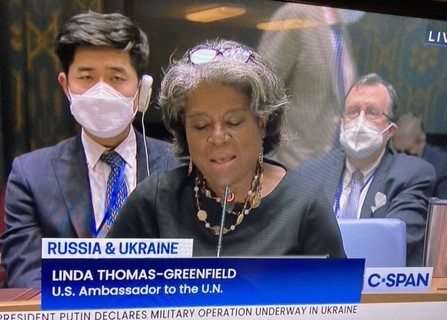
On February 23rd, I discovered live television coverage of a United Nations Security Council meeting about the Russian threat to Ukraine. This was on CSPAN. I sat before the t.v. with my husband and daughter and watched as most of the ambassadors condemned Russia’s actions. There were ambassadors of different races and cultures of course, but also a good number of women representing their countries. Particularly interesting to me was our United States Ambassador, Linda Thomas-Greenfield, who has held the position for about a year. She was one of the people speaking in condemnation of the Russian president. Here is a photo of her that evening:
As I have watched coverage of the crisis on t.v., I have noticed quite a few black experts on Ukraine being interviewed by the news anchors. One person who has appeared several times over the past few days is a black man hunkered down in Kyiv. His name is Terrell Jermaine Starr and the following video is from MSNBC (if the link does not work, please search for him on the internet):
As a proud American, I believe we need to not turn a blind eye to our history. We need to continually examine our past and how it continues to shape us. But, I also believe we need to pay close attention to the history that is being made right now. And these two people are both witnesses to history and are growing history.
Sunflower- the National Flower of Ukraine
*A link to another piece about Ambassador Linda Thomas-Greenfield:












 Natural Musings