Expecting Spring

I am getting old. I have seen many Springs, but these days I often wonder how many more I will see before I pass from this life and dissolve into the great mystery. I push these thoughts away before I move into despair and fear. I am determined to concentrate on the joy to be found every day…especially the abundant little joys found in the Spring. Some of these little joys are the early flowers. Specifically, I am talking about the little anemone flowers that bloom before most other flowers. I have looked in my front yard and in the nearby greenbelt, but no luck so far.

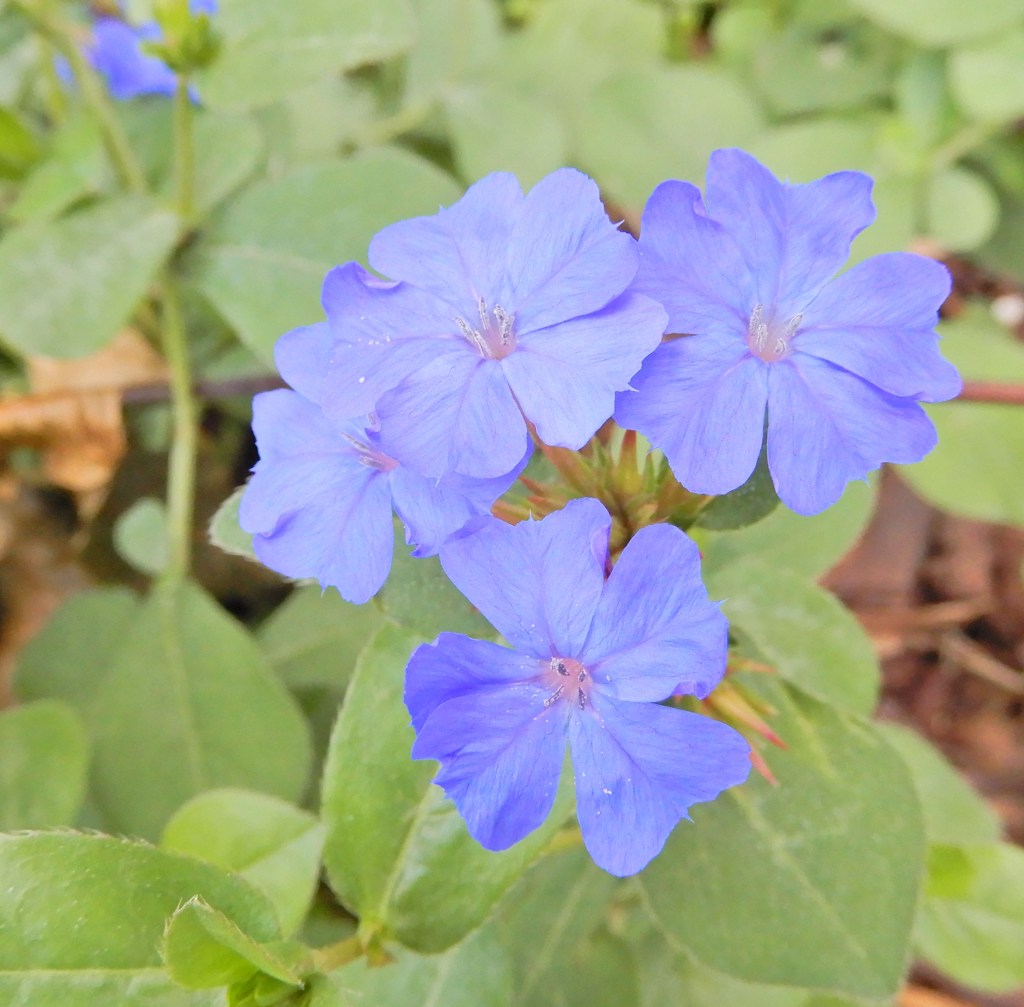
Here is what I am searching for:

They can be white, pink, purple, or blue. The flower heads are on a tall, slender stalk up to a foot high. Anemones are perennials and are in the family Ranunculaceae (Buttercup). They occur in prairies and woodlands from January through April.
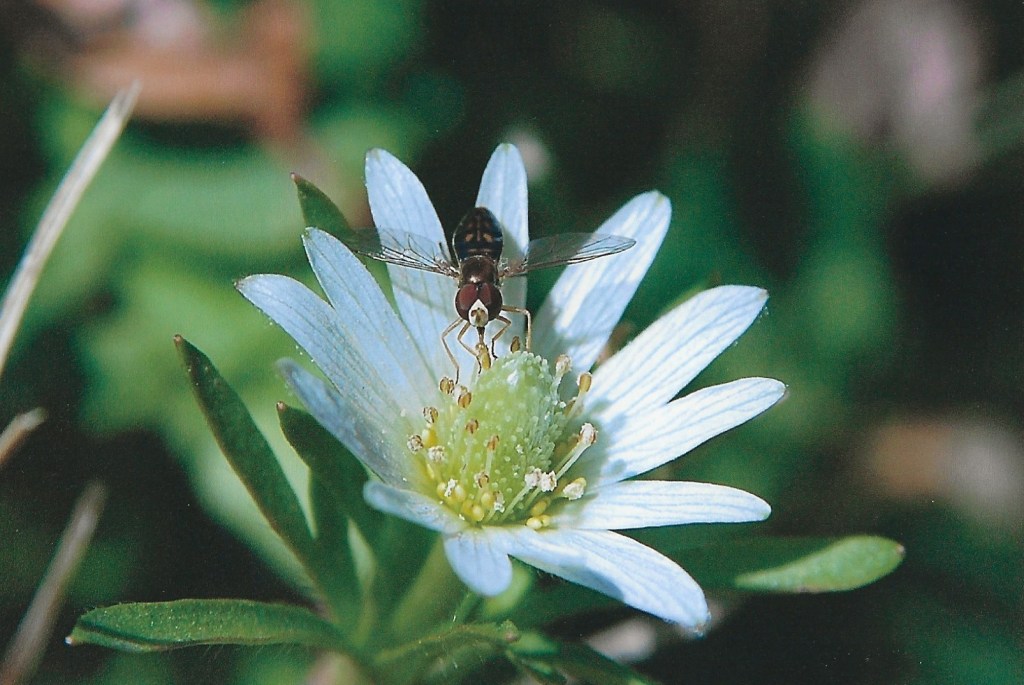
               Flower Fly On Anemone

We have at least 4 species in Texas and I don’t know if the ones I have seen in past years are the Carolina Anemone (Anemone caroliniana) or the Ten-Petal Anemone (Anemone berlandieri).

Fun Facts:

  • What look like the petals are actually sepals…don’t ask…I need to learn more.
  • The “petals” close up at night or during low light days.
  • Although Indigenous peoples used parts of the plant as medicine in healing wounds and others made a tea from it, the plant is considered toxic (neurotoxin).
  • The word anemone is from a Greek word meaning wind. Some say the spring breezes cause the flowers to open. Others noticed them swaying in the wind.
  • There are about 150 species of related anemones in the world in both the southern and northern hemispheres.
  • Folklore associated with the plants range from those who say anemones are the “lilies of the field” in the New Testament to them representing blood in Greek mythology. In China there is an anemone that is associated with death. My favorite story is that when it rains, fairies sleep in the closed up petals.

I will keep looking every day and when I see my first anemone, I will smile and welcome another Spring.

Sources-

Wildflowers of Texas by Geyata Ajilvsgi

Legends of Texas Wildflowers by Elizabeth Silverthorne

Wildflowers of the Texas Hill Country by Marshall Enquist

Heralds of Spring in Texas by Roland H. Wauer

Wildflower.org

Photos by B. McCreary

Them!

It has been a long, hot summer and I think that is why we have more cicadas than I have ever seen before. Not sure when they first appeared this year, but they sure made their presence known by July. They like the heat and are gone by October.

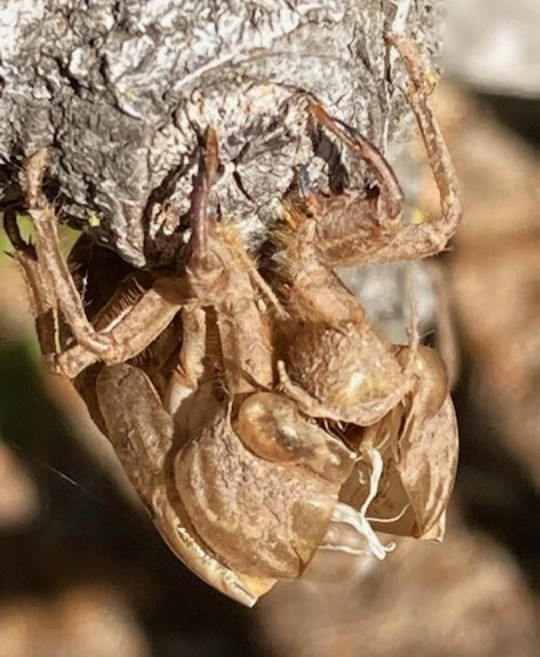
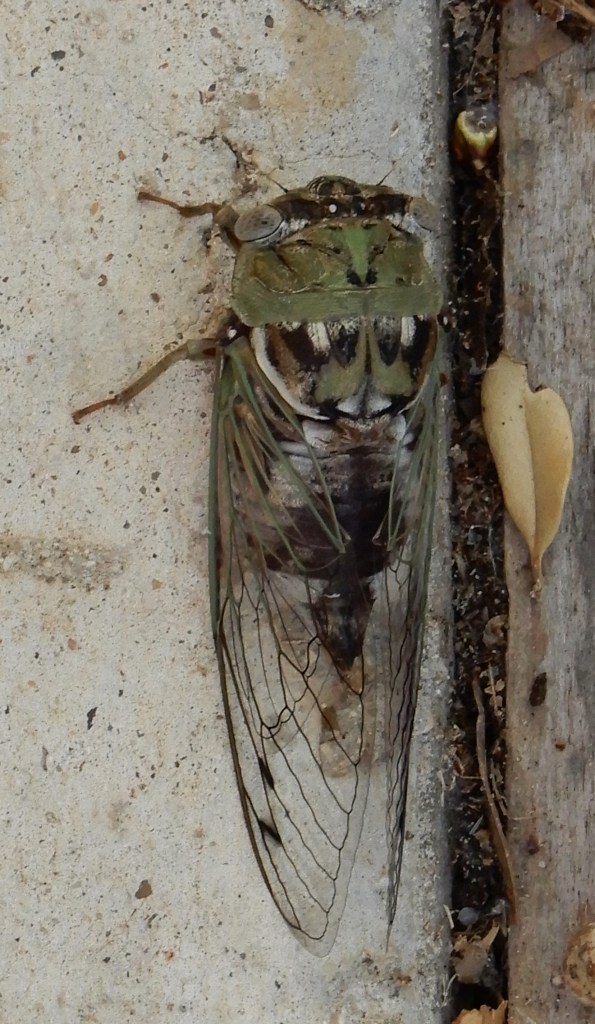
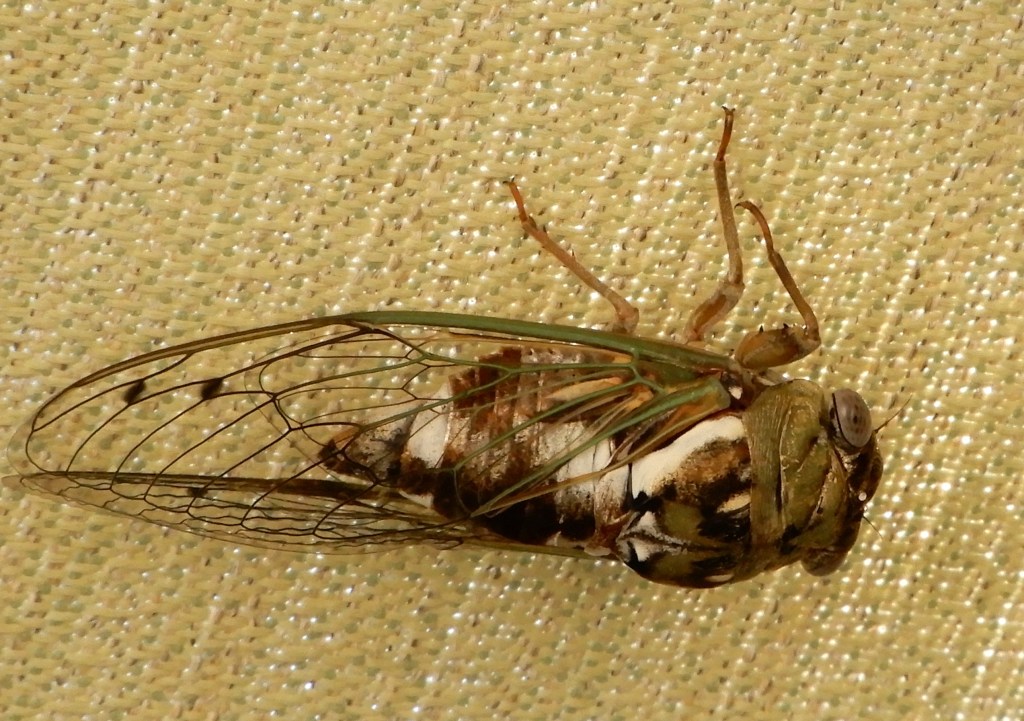
If I am not mistaken, these critters are Cicadidae Tibicen, known as Dog-Day Cicadas. Even if I never saw their shedded skins or the live ones, I would know they were here because of the extremely loud buzzing calls of the males trying to attract a female. The rising crescendo of sound can be almost deafening. But, it is a familiar sound and brings back memories of summers past.

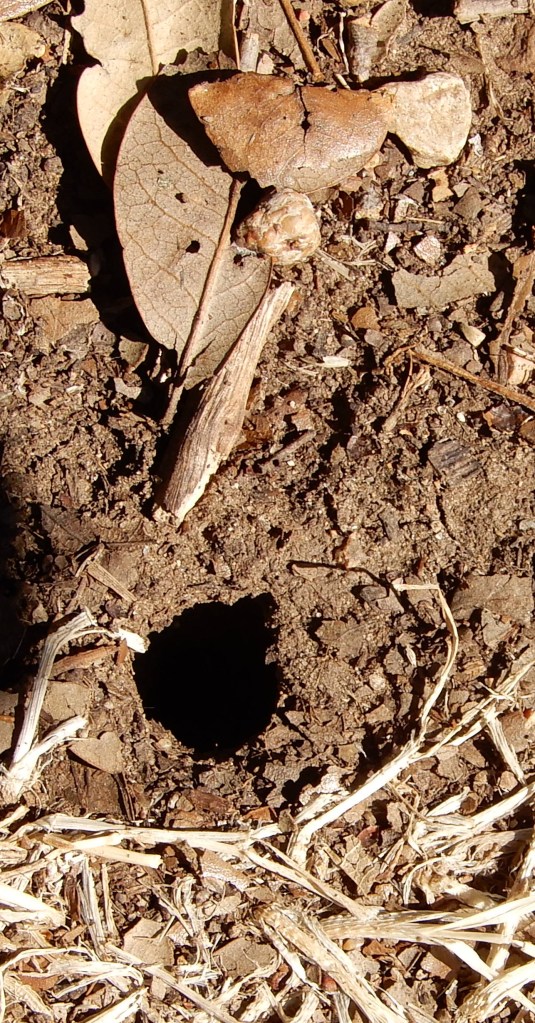
The females lay eggs in tree bark. The larva emerge and fall to the ground and burrow underground, sustained by liquid from tree roots. They go through several stages until they emerge from the ground and then shed their outer skin. They are bumbling flyers and easy prey for hawks, squirrels, opossums, and other critters. Dogs and cats enjoy playing with them.

The following images are from my yard in southwest Austin, Texas. If you are freaked out by insects, stop scrolling now.

Cicada Exuvia (Shell) On Window Screen

Clinging to branches…

On Neighbors House

Ground Hole One Emerged From

Live Cicada On Driveway

On Back Porch

Shadow On Porch Umbrella

On Inside Of Umbrella Above My Head

There are other species of cicada in Texas, but this is the type I see the most. Apparently they are not considered a real plant pest. Some people find them creepy. People that are afraid of insects might find their size intimidating. They get at least 1 and 1/2 inches long and 1/2 inch wide. I like them and am already missing them.

I googled “what do kids do with cicada shells” and came across a website called stayathomescience.com for parents that home school their kids. They have activities that involve going on a cicada shell hunt, gathering the cicada shells, and then painting them and adding glitter. They also have downloadable coloring pages of cicadas and their life cycle. If you go to the site, click on Biology to find this. I suppose you could make holiday ornaments from the painted and glittered up critters. I will leave that to the little ones.

Summer Visitors

It is no news to any of you that this has been a really hot summer so far. Here in my Austin suburb our thermometer reads 100.6. I know it is even hotter in town. Any outdoor activities are pretty limited to evening and morning. No walking in the nearby greenbelt. I can’t even sit in the shade on my porch in the afternoon. We make sure we put out water for our little feathered friends and others. I am sharing a few photos of some visitors to our backyard. They are making my summer enjoyable.

The Cute

Squirrel Dining On Sunflower Head (June)

The Curious

Gnatcatcher Staring Me Down (July)

The Tiny

Hummingbird Resting In Bur Oak (July)

The Fierce

Hawk Resting And Scouting In Bur Oak (July)

The Show-Off

Anole Showing His “Money” (July)

*All photos taken by B. McCreary

Slow Walking At The Botanical Gardens

I missed my slow walk this morning. I missed my slow walking friends, but right now it is too hot for me to be outside.

The Lady Bird Johnson Wildflower Center is visited by thousands of people each year. Young and old, locals and tourists, the people come to view the flowers and other native Texas plants. Trails wind around the 284 acres and people can move at their own pace. There are fast walkers that get their steps in and medium walkers moving from one patch of spectacular floral colors to the next. There are parents pushing strollers and kids running around the lawns in the children’s garden. And then there are the groups of very slow walkers. They can be seen in groups of 6 or more, huddled around a flowering bush, taking turns to get the best angle to get a good shot with their close-up camera lenses. Some carry binoculars that they point at the trees and grassy fields. These women and men are participating in the weekly Fauna Survey, finding, identifying and documenting all the non-plant life that call the Wildflower Center home.

The Fauna Project is a weekly survey event led by Val Bugh (check out her website: http://www.austinbug.com). She has been at this since 2010 and has amassed quite a record of the bio diversity contained within this site. Her special area of expertise is entomology. The walking is slow because there is so much to see. At least every other plant will have a little insect on it doing something: eating another insect, mating, hunting, etc. Each survey is different. Here are some of my photos taken on the surveys so far this year.

Red Eared Slider Turtle (February)

Robin (February)

Leopard Frog (March)

Ribbon Snake (March)

Great Horned Owl Mom On Nest (April)

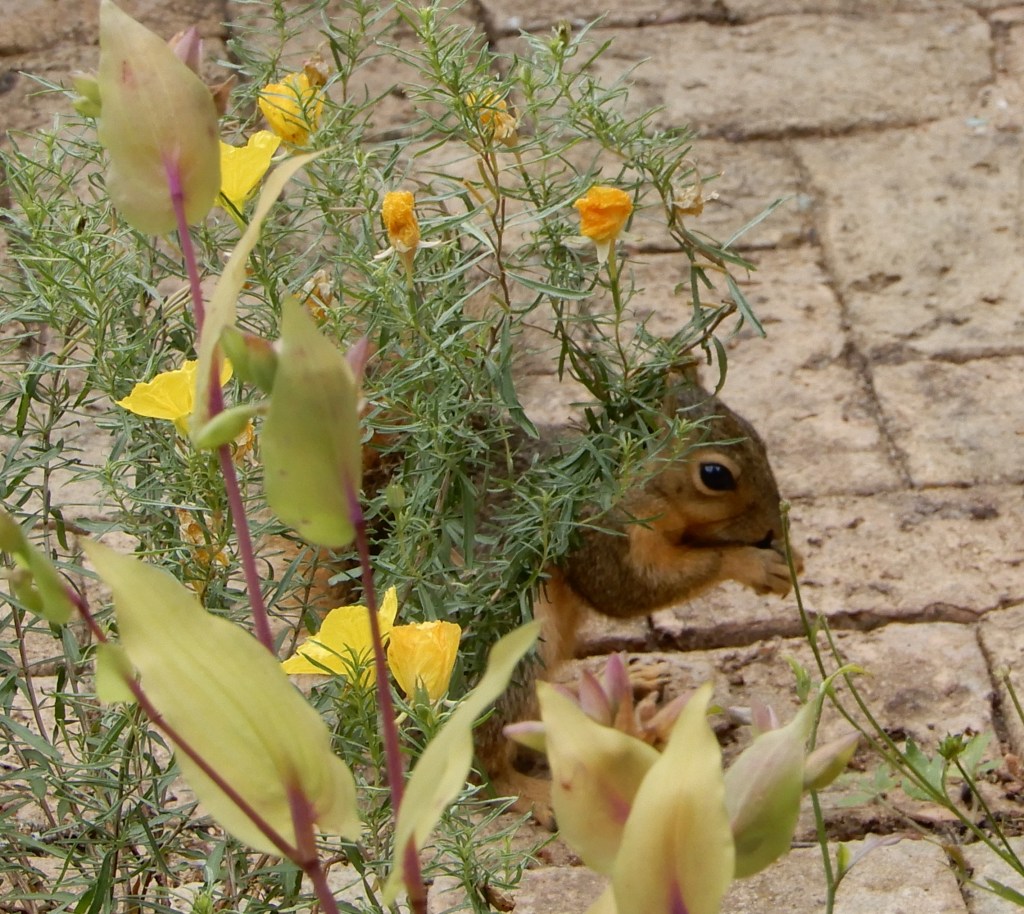
Fox Squirrel (April)

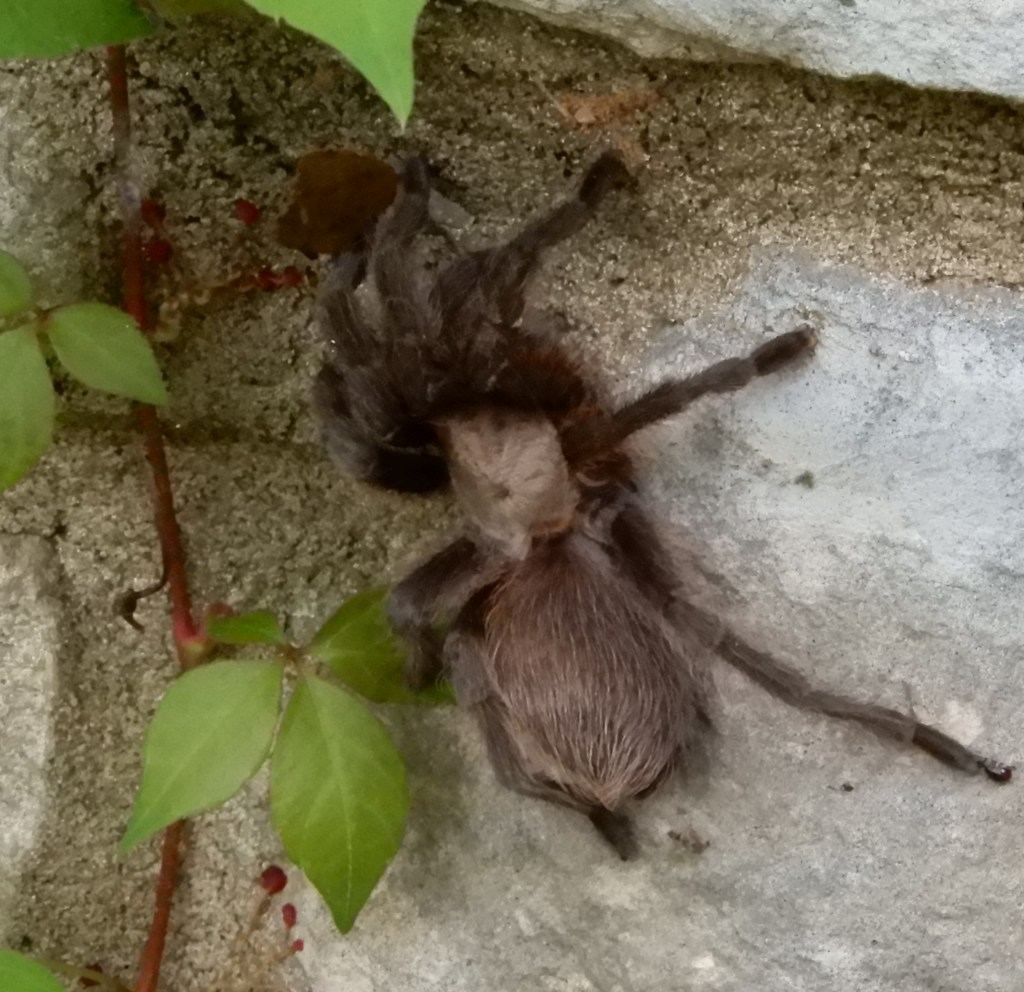
Tarantula (April)

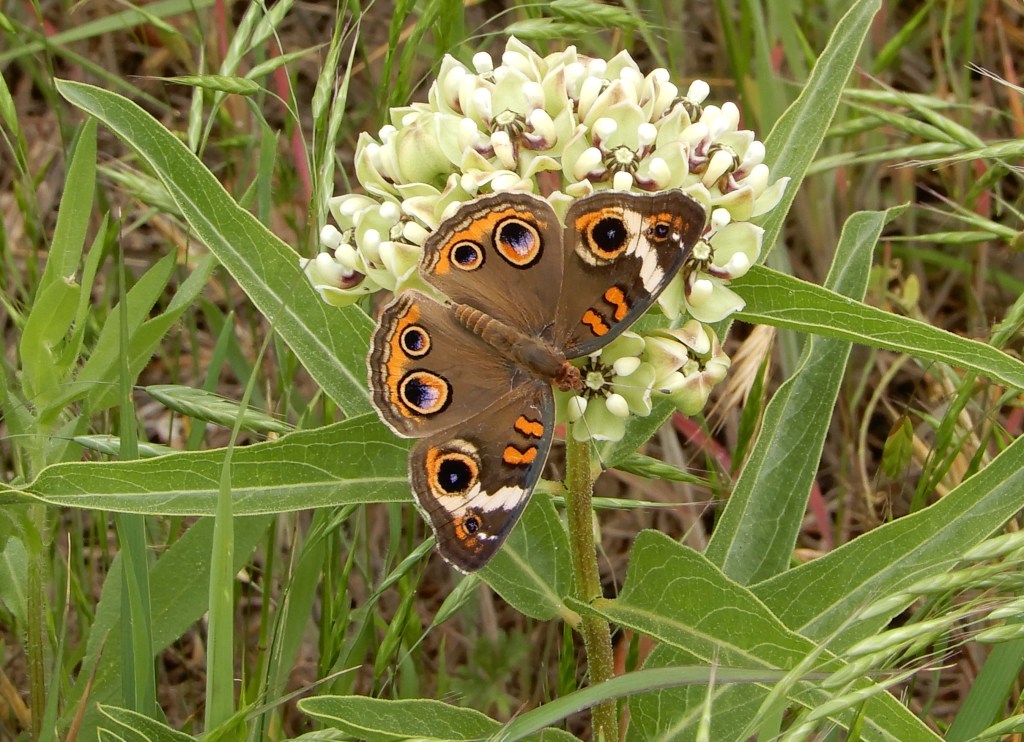
Buckeye Butterfly On Milkweed (April)

Juvenile Great Horned Owl (May)

Texas Spotted Whiptail (May)

Beetles On Thistle (May)

Dragonfly (May)

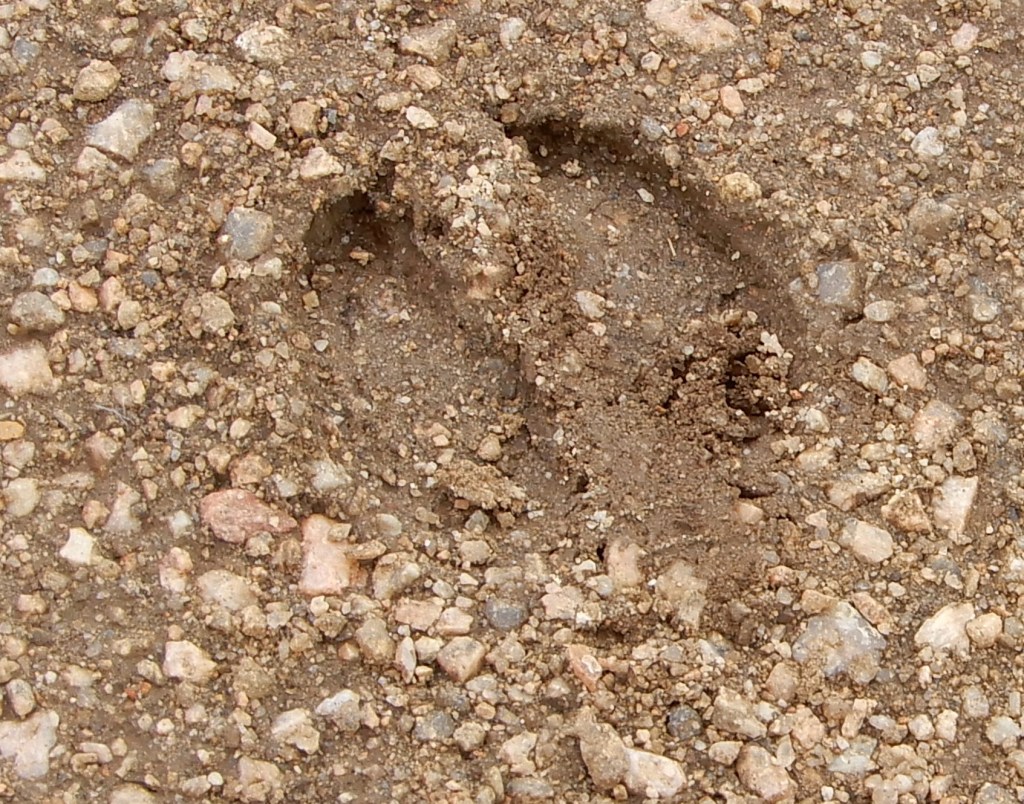
White-tailed Deer Print (May)

White Eyed Vireo (May)

Texas Spiny Lizard (June)

Beetle (June)

So, get out and do a slow walk. You never know what you might find.

According to their website, the Lady Bird Johnson Wildflower Center is home to at least 1,800 insect species (93 of these are butterfly species), 148 bird species, and 15 mammal species.

Wildflower.org/facts

Where Flowers Bloom…

My part of Texas is awash in wildflowers right now. In the past month I have taken numerous trips to Austin’s Lady Bird Johnson Wildflower Center to walk and to marvel at the bounty of Spring. So much beauty to ooh and aah over, especially our Texas Blue Bonnets.

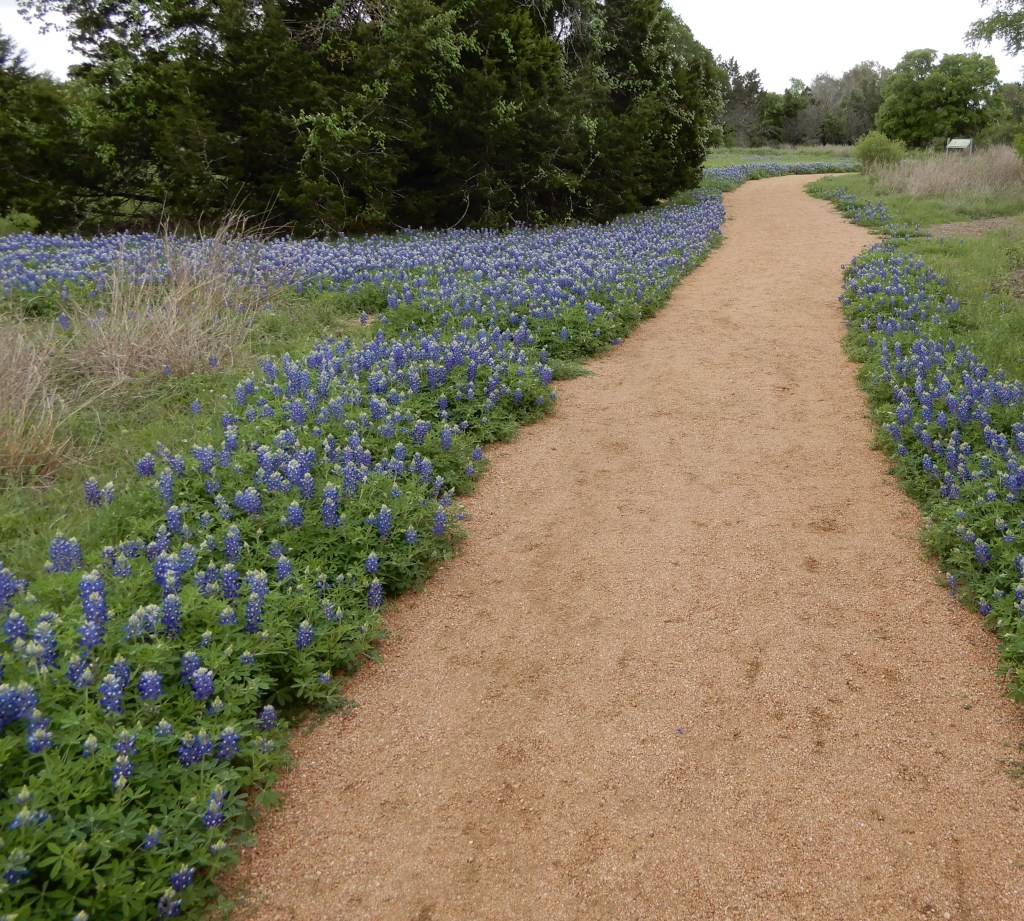
Texas Blue Bonnet

On some of the outer trails my eyes are drawn to the large patches of blue. I am reminded of our ubiquitous Blue Bonnet paintings.

Trail At Wildflower Center

Go to an art gallery showcasing Texas landscape art and you will find paintings of Blue Bonnets…Longhorn cattle in Blue Bonnets…barbed wire fences and Blue Bonnets…old trucks and Blue Bonnets. These have been popular for years and they sell well. People ooh and aah over them. Somewhere there is probably a painting of a T-Rex in a field of Blue Bonnets.

And then there are the photos. People trample swaths of these flowers to pose their children and dogs next to them. The Wildflower Center does have a couple of designated areas where visitors can pose with the Blue Bonnets without destroying them. I have done this myself with family and friends. They are pretty, but this kind of gets boring after a while. I seek out the other flowers sprinkled among and near the blue ones. The real Texas landscape has many kinds and colors of flowers. Every color you can imagine.

Tansy Aster (?)

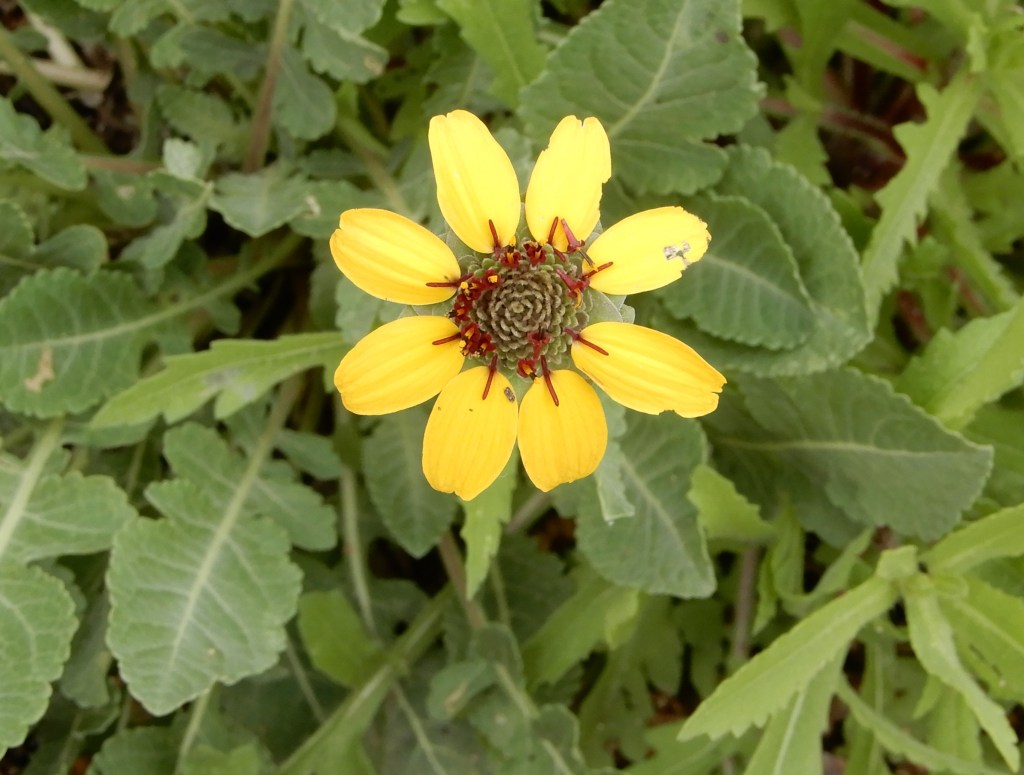
Chocolate Daisy (leaves smell like chocolate)

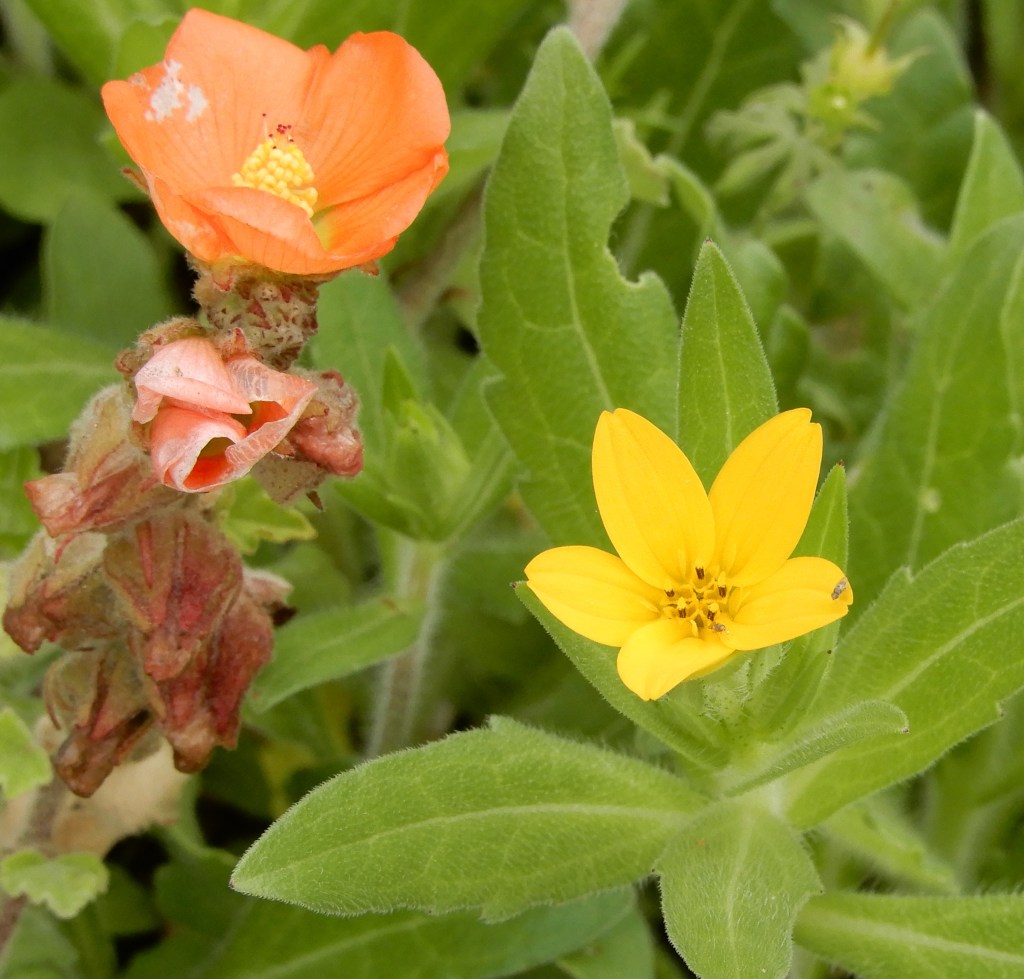
Orange Mallow and Texas Yellow Star

Texas Paintbrush With Other Flowers

Texas Paintbrush and Blue Bonnets

Variety is the spice of life. Each living creature adds to the beauty of the world. I like to think of each human as an individual flower with a unique beauty. What if, in our urban and suburban landscapes, we celebrated the diversity of the people we see as we walk through our towns and shop in our stores? What if we oohed and aahed at the beauty of each person? It might be a bit weird if we did this out loud, but we can do this inside ourselves. And maybe we would greet them with a smile and the world would be a better, more loving place…at least for that one day for those people…the admired and the one admiring.

(I was going to subtitle this month’s blog “Pollyanna on her soapbox with pretty pictures”…I do believe each of us who model this sort of love for our fellow creatures can influence others. )

Texas Paintbrush and Blue Bonnets

*(All photos taken by the author at the Lady Bird Johnson Wildflower Center except for the last photo which was taken at McKinney Falls State Park)

Check out the website: wildflower.org

A Tree Runs Through It

Plop! The sound of a Burr oak nut hitting the ground.

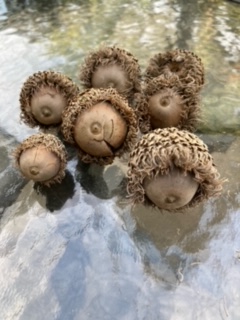
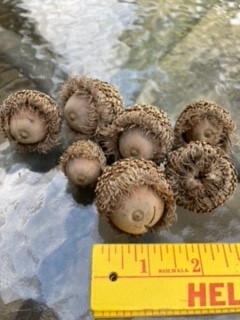
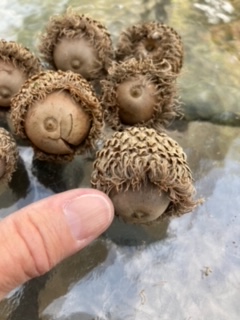
Plop! Klunk! The sound of another Burr oak nut hitting the ground and bouncing three feet in the air and then landing on our wooden deck. I imagine getting bonked in the head by one of these nuts. It would hurt. That is why I am sitting on our porch and not under the tree the way I often did during the summer heat. We have a bumper crop of the nuts this year, probably several hundred from just this one tree. I can’t even walk barefoot in our yard because every few inches I step on a big nut.

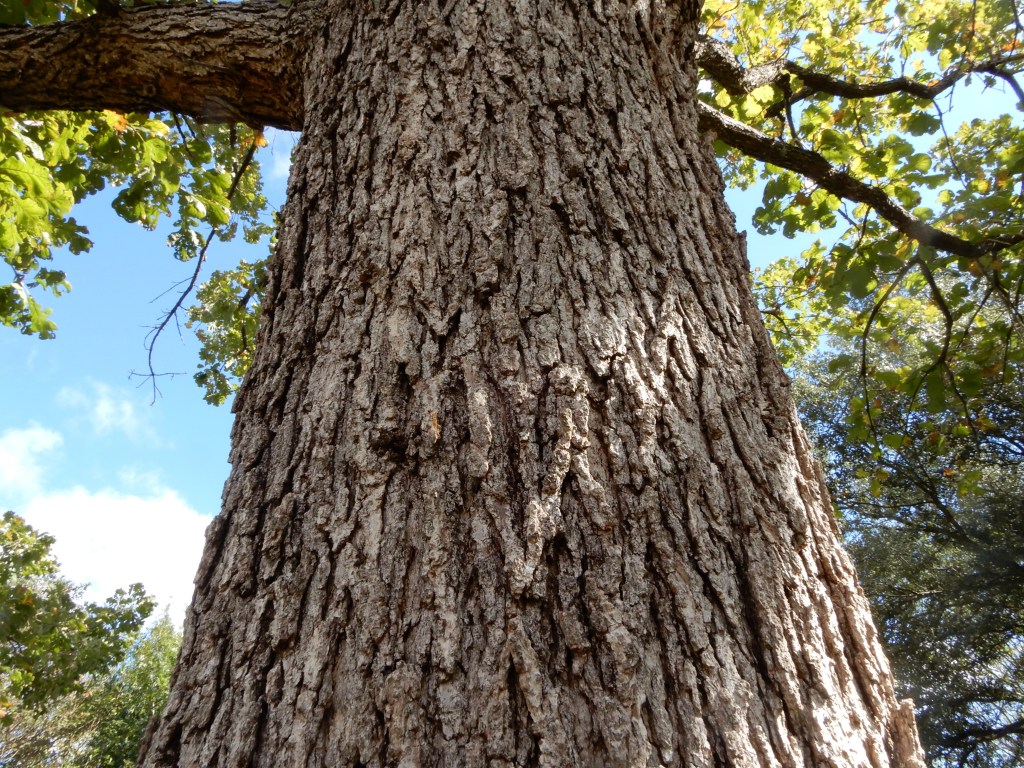
Leaves, nut case, and nut of Burr Oak (Quercus macrocarpa)

And more nuts….

The tree is either the life giving Mother Tree or a cause of concern, depending on my mood. I love looking at it, which is good because it is too large to ignore. The tree has been speaking to me a lot lately. It speaks with the loud klunk! of it’s seeds dropping and it speaks to me as it’s leaves rustle in the wind. It speaks to me by just dominating the back yard. It is about 40 feet tall and the crown is about 30 feet wide (covering at least half of our yard). Whenever I turn into our driveway out front, I see it over our roof top. It was just a couple of years old when we planted it 24 years ago. Now, I sometimes worry about it falling on our house…or falling on our neighbor’s house.

When I was about 7, I remember collecting acorns from Live oak trees and storing them in a secret cubby in my bedroom closet. They were to be ammunition in some future imagined “war” with neighborhood kids. I think about gathering all the burr oak nuts for a similar stash. These are so big, that they would be quite the deterrent to some attacker. Instead, I gather a few dozen and give them to a friend who will use them in some decorative craft work.

Trees. Trees were here first and have witnessed so much of our history. A Tree of Life is a part of more than one religion and trees as symbols are imbedded in so many cultures world wide. Where would the story of Noah and the Ark be without trees? Or the Buddha and the bodhi tree? Or the angry apple trees throwing apples at Dorothy and the Scarecrow in The Wizard of Oz?

A woman walks on a forest path with a wooden walking stick…perhaps whittled from the same kind of trees she walks through.

A judge brings a court to order with a wooden gavel.

We have destroyed trees for things that benefit humans: firewood for warmth or cooking or just enjoying a campfire; boats; houses and fences to go around the houses; picture frames; toys; wagons; furniture; cradles; coffins; tools; guitars and drums; We eat their nuts and fruit and make medicine from their bark. We climb them and attach swings to them for fun. We carve our names in them and tie yellow ribbons around their trunks. And Christmas Trees! Their smell and color adorn our homes.

And trees have witnessed and unwittingly been used for the bad things humans do. They have been made into weapons like battering rams, guns, arrows and spears, and catapults. We have used their limbs to lynch in fear and hate. They have seen us destroy our own kind. Maybe they are trying to get our attention. Maybe the oak is wanting to warn us that destroying them destroys us?

I write this first as a rough draft on paper made from trees with a wooden pencil while leaning on a wooden desk in a partly wooden house. I notice so many things in my life made from wood and I see many trees as individuals now. I sort of took them for granted before, unless they had pretty leaves or were hosting the birds I love to watch.

They give us life by purifying the air and enrich our soil and on and on…I should probably have written this for Arbor day, but the giant Burr oak is speaking to me now. I don’t know all she is saying, but I will continue to listen.

Websites to check out:

  1. For information on some famous Texas trees: tfsweb.tamu.edu/Websites/FamoustreesofTexas/Explore_our_Trees/
  2. Visit new trees propagated from famous Texas trees at the Ladybird Johnson Research Center arboreteum. Info at: Wildflower.org
  3. Organization that plants new trees in Central Texas: https://treefolks.org

(Photos by B. McCreary)

Autumn Gold

To paraphrase Carson McCullers from her novel “Reflections In A Golden Eye”: There is a backyard in the South where a few days ago a murder was committed…

Yes, a week ago today, Tuesday September 20th, a crime was committed. I murdered some beautiful little creatures. It was negligent homicide. Our little backyard pond needed some water added, so I set the hose running and meant to check on the water level after a few minutes. It was a nice, evening and three of us in conversation on the back porch was a distraction. At some point I realized that I had not monitored the water level. It was overflowing into the yard! I pulled the hose out. I did not see any goldfish flopping around in the grass, so I figured all was okay. The next morning (Wednesday) I fished out seven pretty, little, golden corpses, which I netted and dumped into the compost bin. Yuck! Not because of the decaying bodies, but because of my guilt. I had poisoned them. I started to think that maybe we should just get rid of the pond.

This little pond has attracted so many interesting creatures: frogs, toads, dragonflies, wasps, snakes, opossums, raccoons, and an occasional bird. Colorful waterlilies add beauty and the sound of the trickling, pump fueled, waterfall is relaxing. And I enjoyed seeing the goldfish moving about in the water. But, I was not a good caretaker of this little oasis and these critters would have to find somewhere else to hang out.

One more corpse floated up on Thursday morning, the first day of Fall. I pulled some water plants out and tossed them in the garden. I wanted to see if any goldfish had survived. But, I didn’t see any. Maybe they were hiding after seeing their family members die. No more little bodies showed up Friday, and I began to let go of my self-criticism. I am human. Humans make mistakes.

Saturday morning I brought my notebook and pen out to the back porch and attempted to write a poem about the falling leaves in the yard behind ours. I wrote:

As each leaf descends

And says goodbye

Sun reflects gold

A little while later, my husband and I were enjoying our morning coffee. My binoculars and camera were nearby. I like to take pictures of lizards and whatever else catches my attention. The binoculars are for checking the trees and sky for birds. This was the peak of migration and I was hoping to spot something different than our resident birds.

And then they came!

Yellow Warbler

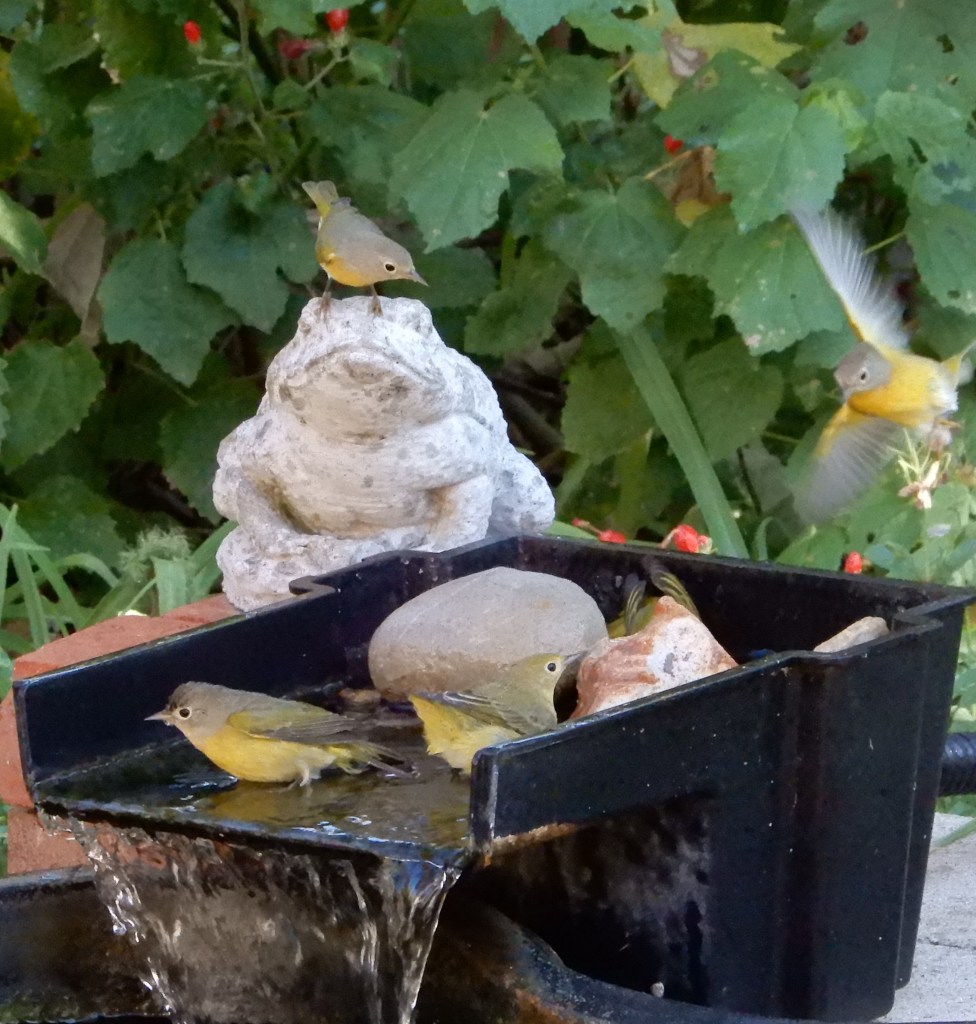
Warblers! Lots of them and more than one species. They came to bathe in our pond! Golden treasures from above.

Immature Yellow Warblers?

Golden Cheeked Warbler

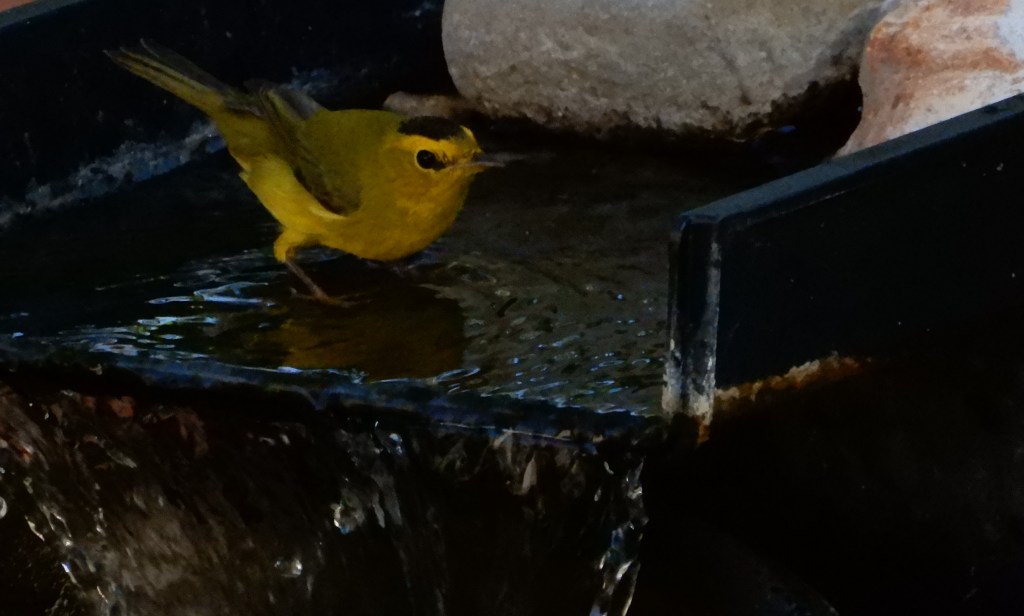
Wilson’s Warbler

Mixed Group (taken through window)

This lovely parade of migrants lasted about 20 minutes, when our dog Millie wandered out and scared them off. I feel so blessed to have witnessed these visiting birds reveling in the same water that I had been contemplating getting rid of just a few days earlier. I guess the Universe has forgiven me. Or at least I have forgiven me. I will be a better caretaker of this small environment. I promise.

(please let me know if my warbler i.d.s are not correct)

(all photos taken by B. McCreary)

Natural Saviors

According to The Austin American-Statesman newspaper, we had 21 days of at least 100 degree highs in June, including 12 days in a row of this nastiness. We got a break late Monday the 27th with some much prayed for rain. Yay! I can now sit comfortably on my shaded porch and enjoy my coffee and read. It is still hot, but bearable.

As I get older I do not handle the heat as well as the younger me could. And our summers are getting hotter. June was not all bad. The beauty of nature carries on and helps me carry on. It sustains me. Here are some photos from my yard taken this month:

Water Lily

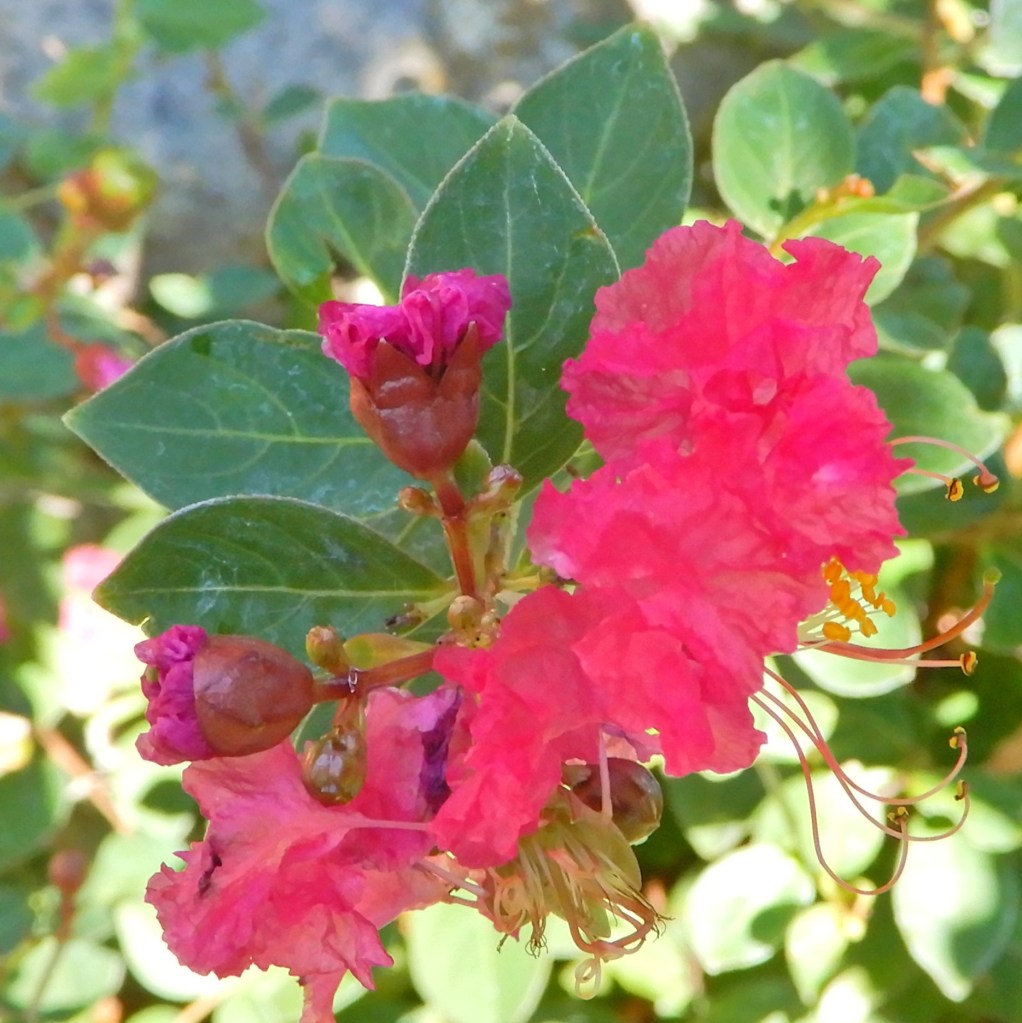
Crepe Myrtle

Turk’s Cap

Rock Rose

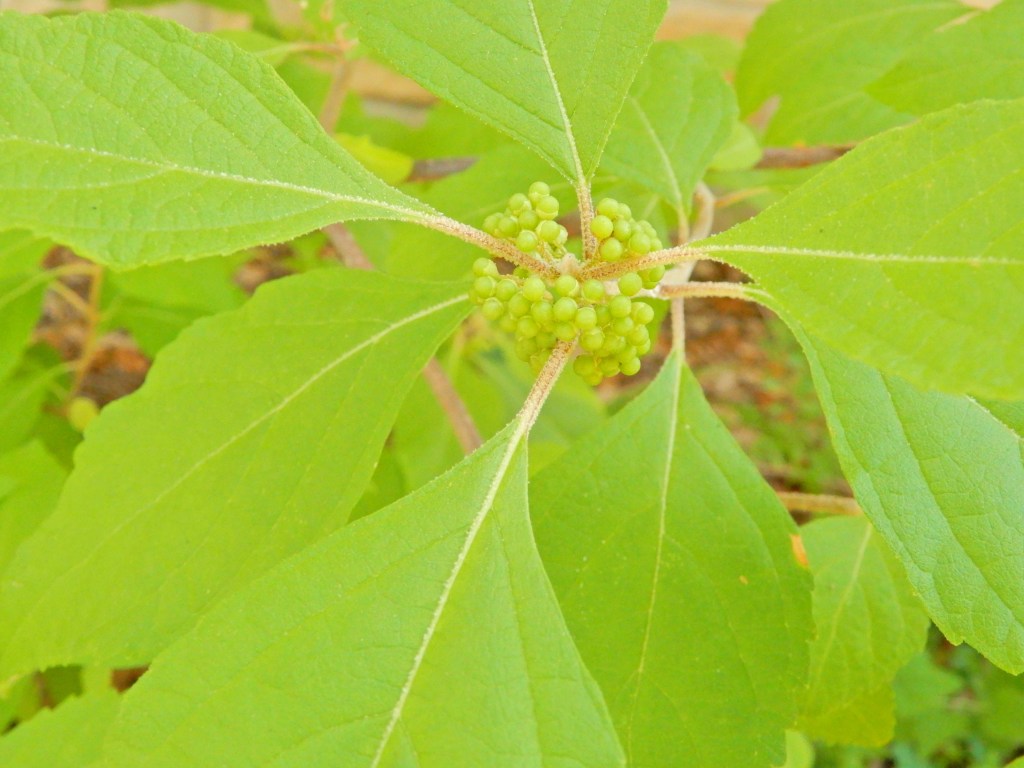
Beauty Berry

Purple Blooms (id unknown)

Mexican Petunias

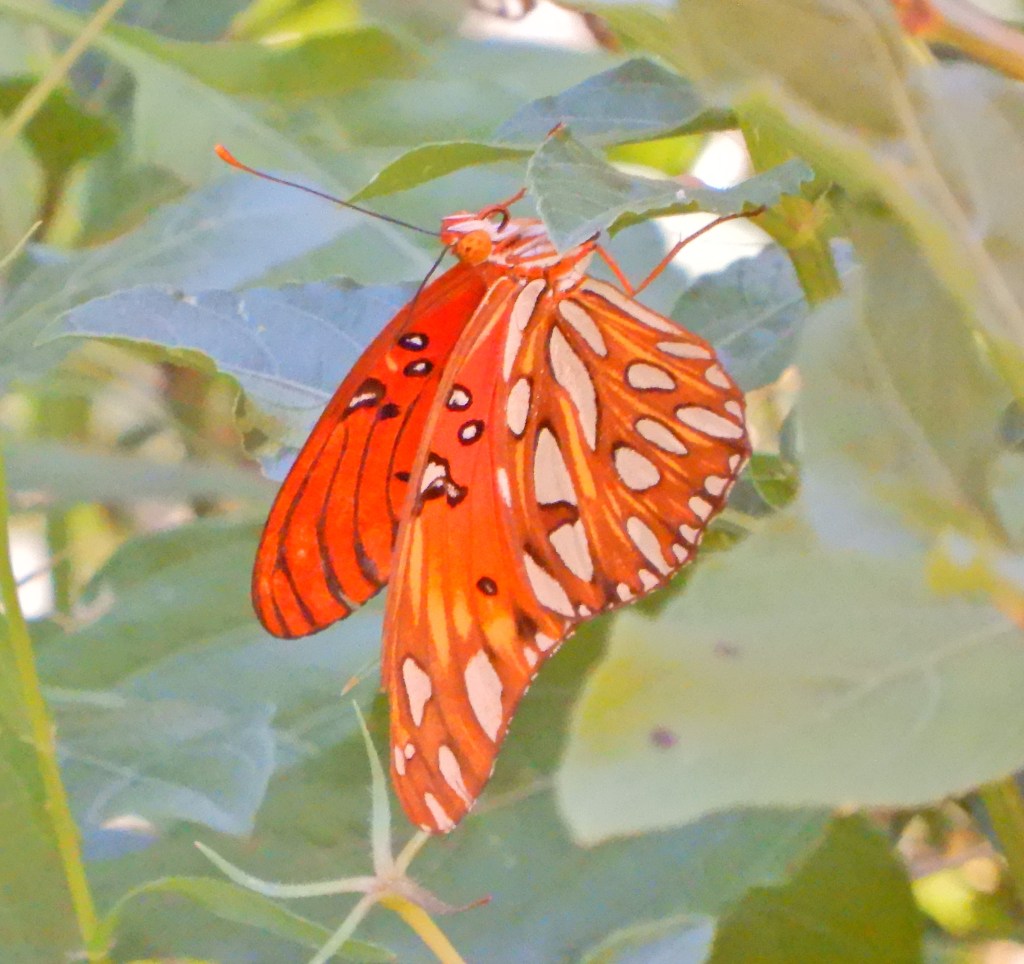
Gulf Fritillary Butterfly

Crab Spider on Pokeberry Blooms

Mint Blossoms

Englemann’s Daisy

Little Blue Flowers

I want to express my gratitude to Mother Nature for sharing this beauty.

(photos by B. McCreary)

Snakes On A Porch

Just a brief blog today to share some photos of a few critters that have visited our yard and porch.

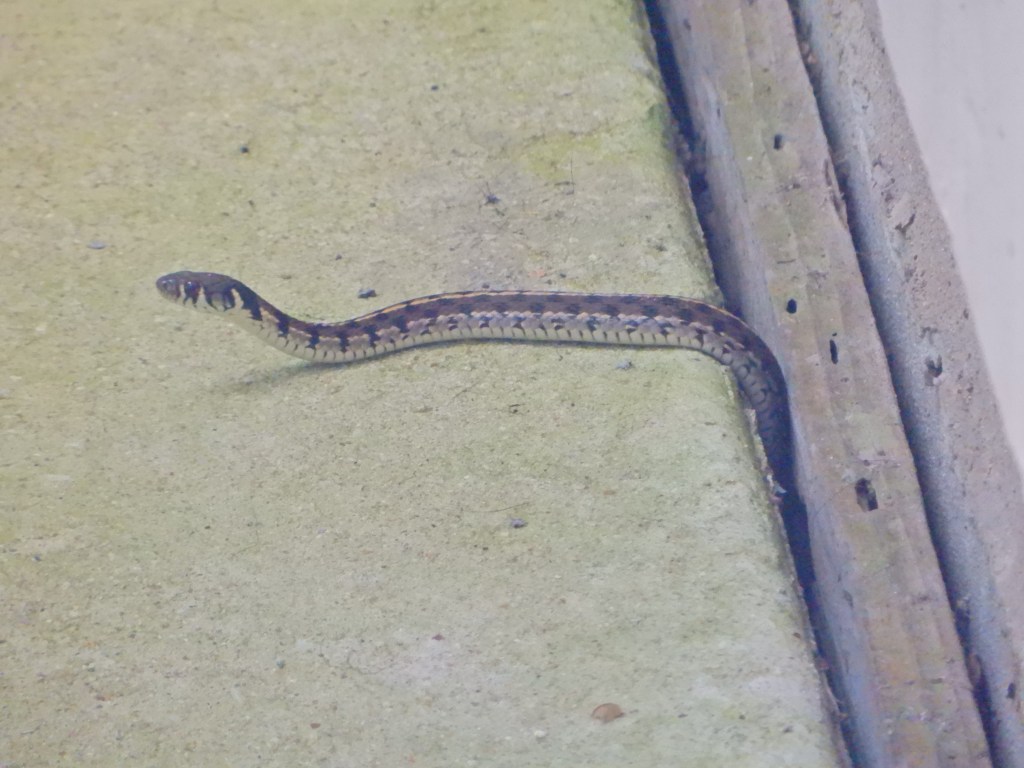
Eastern Blackneck Garter Snake (11-8-2021)

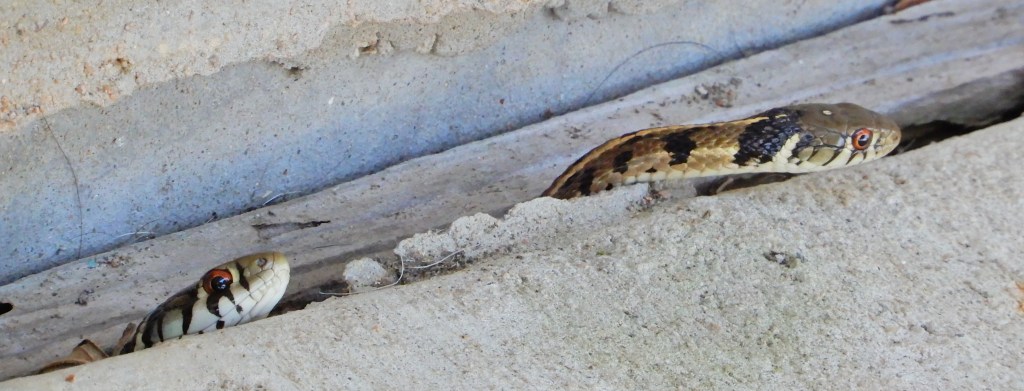
Eastern Blackneck Garter Snakes (3-26-2022)

Could these little guys be the offspring of the snake in the previous photo?

Same Snakes (3-28-2022)

Another Eastern Blackneck Garter Snake (June 2021)

Eastern Blackneck Garter snakes ((Thamnophis cyrtopsis ocellatus) are nonvenomous although they may nip and release some funky musk when threatened. They eat small frogs, toads, and tadpoles. We have a small pond in our back yard and that is probably why we get the privilege of their company. They are diurnal and their adult size ranges from 16 to 43 inches (the latter being a record size). They give birth to live babies, maybe as many as 9.

I know a lot of people find snakes frightening, but to me they are beautiful examples of Nature’s beauty.

*All photos by B. McCreary

*Information from A Field Guide to Texas Snakes by Alan Tennant (from Texas Monthly Field Guide Series)

April Bathing

Have you ever bathed with family or a dear friend? I had the privilege of bathing with both recently. No, I am not talking about bathing in a tub or a shower. I am talking about Nature bathing, taking long, slow walks outside. Some call it forest bathing. I say it can also be called prairie bathing, riparian bathing, or desert bathing.

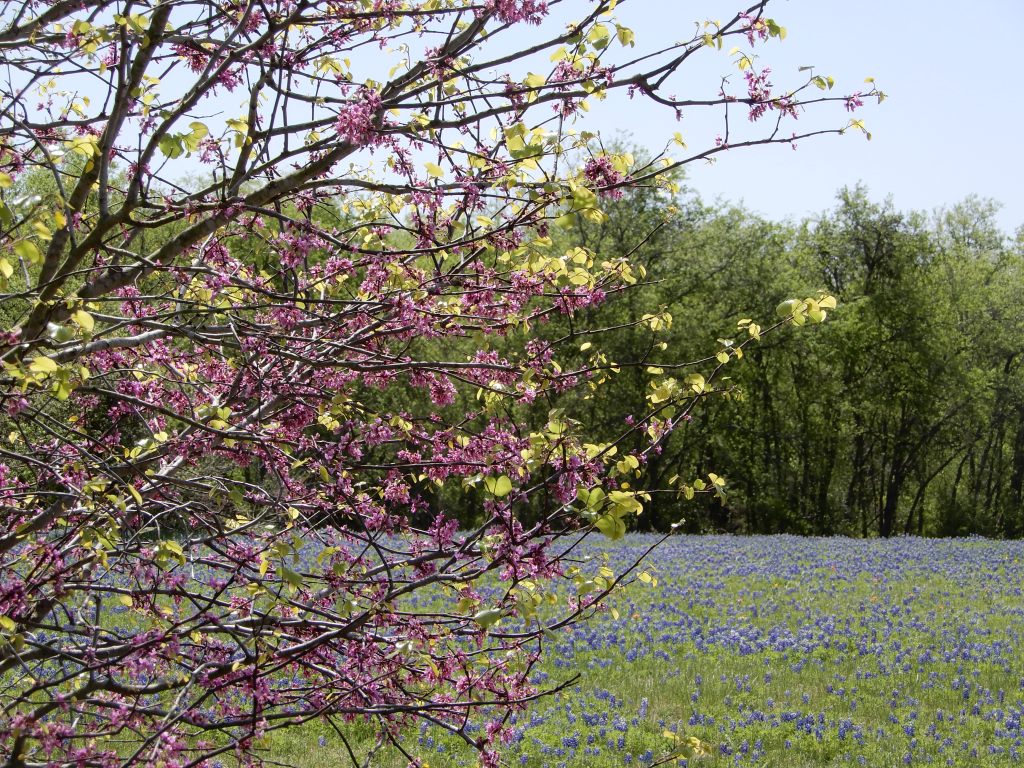
In early April I enjoyed such an outing at McKinney Falls State Park, which is on the outskirts of Austin. My husband and our daughter and I had a great time meandering along the creek looking at wildflowers (which are at their peak in early April here), bird watching, and even fish watching. Here are some photos:

Redbud Tree and Bluebonnets

Pink Evening Primrose (Oenothera speciosa)

Cypress Tree Trunk On Onion Creek

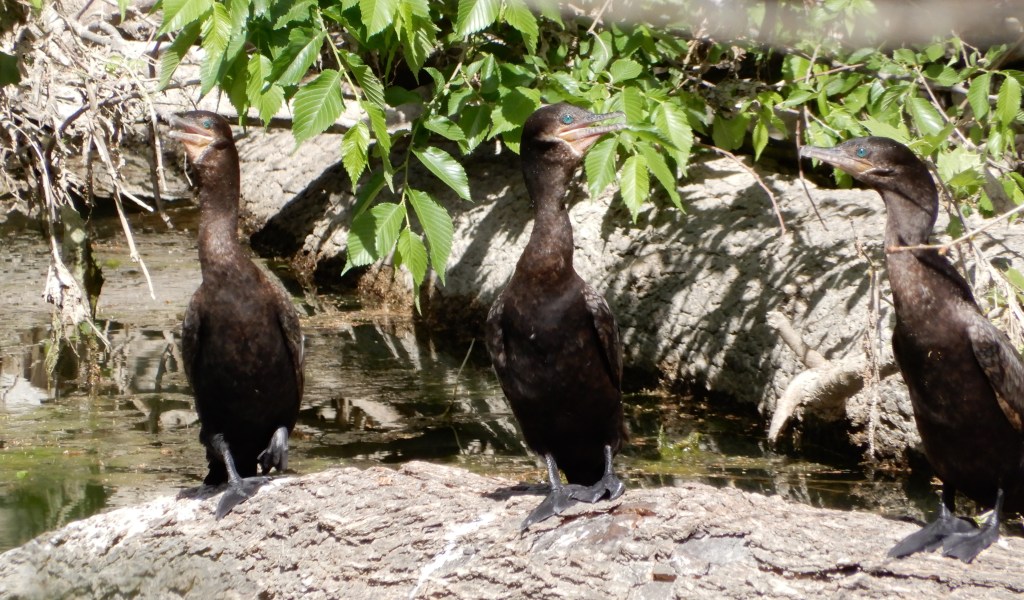
Cormorants Convening

Fish In Onion Creek (unknown species)

Towards the end of April a dear friend invited me to go bird watching with her in the same park. Some different plants were now blooming. We saw snowy egrets, great blue herons, and more cormorants flying up and down the creek. Other than birdwatching, we had no agenda. We just walked and enjoyed the fresh Spring air on our skin. The sounds of many different birds teased our ears, from the screeching of red tailed hawks to the sweet songs of cardinals. There was also the recurrent chirping of frogs. We stopped to admire and smell flowers. I enjoyed touching leaves to feel their texture. Here are a few photos from that walk:

White Clover (Trifolium repens)

False Gromwell (Onosmodium bejariense)

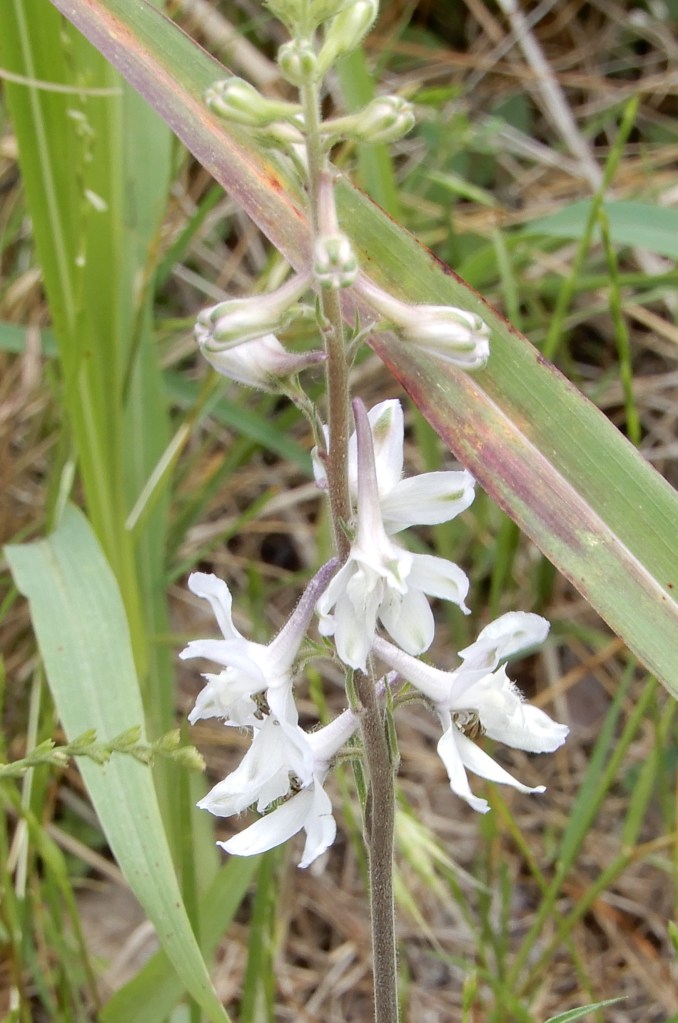
Prairie Larkspur (Delphinium carolinianum ssp. penardii)

Scarlet Leatherflower (Clematis texensis)

We did not talk about world affairs or gossip about people or our troubles. We talked about nature, that before us, and old encounters. And we met others enjoying the natural wonders of this park. There were the girls from a nature school laughing and having fun while processing yucca leaves into cordage. And a couple visiting from Israel led us to a view of a barred owl up in a cypress tree.

These times nature bathing with others both relaxed and renewed me. Get out there, somewhere green, and just be. Oh, and don’t forget friends and family. Invite someone outside to bathe with you.

Here is a link to more info on McKinney Falls State Park: https://tpwd.texas.gov/state-parks/mckinney-falls

Plant information from A Field Guide to Wildflowers Trees and Shrubs of Texas (Texas Monthly Field Guide Series) and Wildflowers of the Texas Hill Country by Marshall Enquist

Photos by B. McCreary (who is also responsible for any misidentification of plants)